Understanding the Cost Benefits of Regular CCTV Maintenance
Table Of Contents
Comparing DIY Maintenance vs Professional Services
Homeowners and businesses often face the decision of whether to tackle CCTV maintenance themselves or enlist professional services. DIY maintenance can appear cost-effective and straightforward, especially for those with technical skills. Simple tasks like cleaning cameras or checking cables can be managed independently. However, it may overlook deeper issues that require specialized knowledge, such as interpreting system alerts or conducting software updates that ensure optimal functionality.
On the other hand, professional services provide expertise that often uncovers problems before they escalate into significant failures. Technicians possess extensive training and experience, allowing them to identify issues that might not be immediately visible. While the initial cost of hiring professionals is often higher, the long-term savings achieved through reliable performance and reduced downtime can justify the investment. Balancing immediate financial concerns with potential future costs is crucial in making the right choice for CCTV maintenance.
Weighing Time and Effectiveness
When deciding between DIY maintenance and hiring professionals for CCTV systems, time management becomes a crucial factor. Those who choose to handle maintenance themselves often underestimate the time required for thorough inspections. It is essential to consider not only the actual hands-on work but also the learning curve associated with troubleshooting and resolving issues. Amateur attempts may inadvertently lead to longer downtime, potentially jeopardising security during the process.
On the other hand, engaging professional services may seem more costly upfront, yet it often yields more effective results in a shorter time frame. Experts typically possess the necessary training and experience to identify nuanced problems that may be overlooked by someone without specialised knowledge. Their efficiency not only minimises disruption but also ensures that the CCTV system operates optimally, ultimately enhancing security. Weighing the trade-off between time invested versus effectiveness can significantly influence the decision-making process for CCTV maintenance.
Common Issues Requiring Maintenance
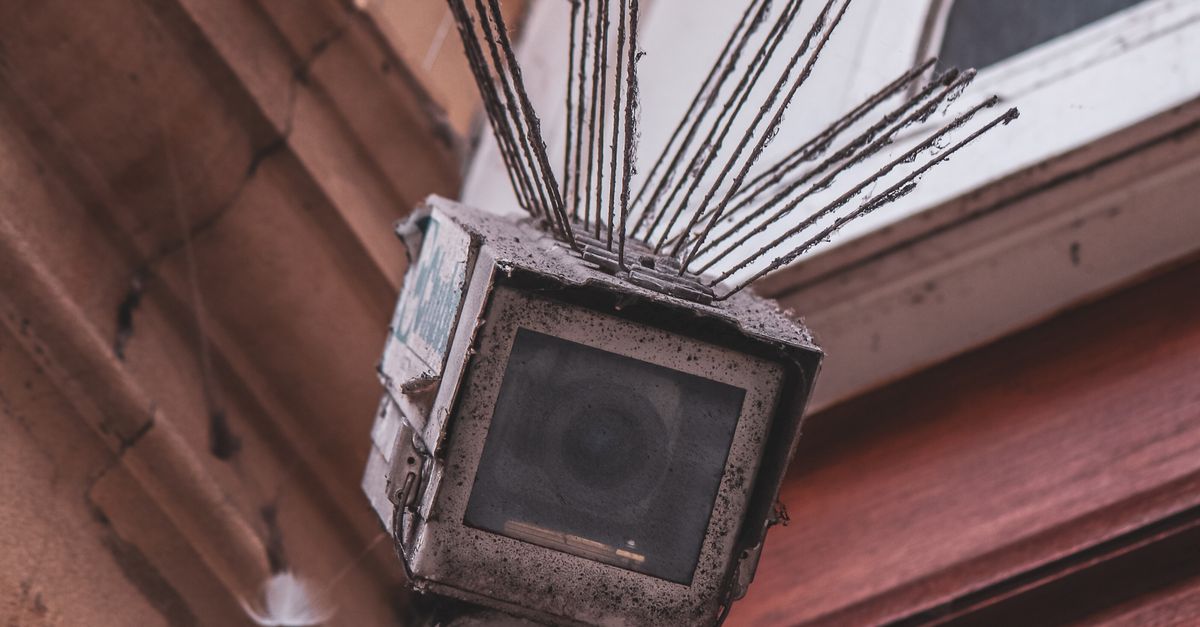
CCTV systems, like any technology, can experience a range of common issues that necessitate regular maintenance. One prevalent problem is the accumulation of dirt and dust on the camera lenses, which can lead to diminished image quality. Additionally, weather-related factors such as rain, snow or extreme temperatures can affect the equipment's functionality. Corrosion or hardening of cable connectors may also occur, potentially resulting in disrupted power supply or data transmission.
Another critical maintenance concern includes software malfunctions or outdated firmware, which can compromise system performance. Regularly updating the software ensures that the CCTV operates with the latest features and security patches. Furthermore, physical obstructions such as overgrown vegetation can block camera views, necessitating periodic checks to maintain optimal sightlines. Identifying these issues early helps to prevent more significant problems down the track and ensures the system remains effective in providing security.
Identifying Red Flags Early
Routine checks can help spot potential issues before they escalate into costly repairs or system failures. Observing the performance of cameras is crucial; any fluctuations in image quality or consistent disconnects may signal underlying problems. Regular inspection of cables, connections, and power sources ensures that minor faults do not develop into significant outages.
User reports offer valuable insights as well. Unexplained camera downtime or unusual error messages may signify a need for immediate attention. Encouraging staff to report anomalies creates an environment of vigilance. A proactive approach empowers users while safeguarding the overall security system, ultimately enhancing operational efficiency.
The Role of Technology in Maintenance
Advancements in technology have transformed the landscape of CCTV maintenance, making it more efficient and reliable. Software solutions now allow for real-time system monitoring, enabling users to receive immediate alerts for potential issues. These tools can automatically assess camera functionality and storage capacity, ensuring that operators stay informed about the health of their surveillance systems. The integration of artificial intelligence into these platforms further enhances their capabilities, allowing for predictive maintenance by analysing historical data to identify patterns and potential failures before they occur.
Additionally, mobile applications have emerged as powerful tools for maintaining CCTV systems. Users can quickly check camera status, access recordings, and perform basic troubleshooting directly from their smartphones. This convenience helps streamline maintenance tasks, particularly for organisations with multiple locations. The ability to manage systems remotely saves time and reduces the need for on-site visits, which often incur additional costs. As technology continues to evolve, its role in CCTV maintenance becomes increasingly critical, enabling smoother operations and more proactive management strategies.
Utilizing Software for System Monitoring
Modern surveillance systems increasingly integrate intelligent software solutions for enhanced monitoring capabilities. These applications enable users to access real-time data and receive alerts about system status, ensuring that any potential issues are addressed promptly. Advanced analytics can also highlight irregular patterns, enabling a proactive approach to maintenance and security management.
Utilisation of such technology streamlines the process of identifying components that may require attention. Automated features simplify the tracking of system performance over time. Regularly updated software can even assist in predicting future maintenance needs based on usage trends. This proactive strategy ultimately leads to cost savings by preventing significant issues before they escalate into more serious problems.
FAQS
Why is regular CCTV maintenance important?
Regular CCTV maintenance is crucial for ensuring the reliability and effectiveness of your surveillance system. It helps identify potential issues early, reduces the risk of system failures, and ensures that your cameras are capturing clear and accurate footage.
What are the common signs that my CCTV system needs maintenance?
Common signs include blurry or distorted images, cameras not recording as scheduled, frequent disconnections, or system alerts indicating hardware or software issues. If you notice any of these red flags, it’s a good idea to schedule maintenance.
How does DIY maintenance compare to hiring professional services?
DIY maintenance can save costs but may lack the expertise needed to identify complex issues. Professional services ensure thorough checks and repairs by trained technicians, often leading to more efficient resolutions and minimised downtime.
What technology can assist with CCTV maintenance?
Utilising monitoring software can help track system performance, alert you to potential issues, and provide insights into usage patterns. Advanced technology can automate some maintenance tasks and enhance system reliability.
How often should I schedule professional maintenance for my CCTV system?
It is generally recommended to schedule professional maintenance at least once a year. However, the frequency may vary based on usage, environment, and specific system requirements, so it’s best to consult with a maintenance professional for tailored advice.
Related Links
The Impact of Neglecting CCTV Maintenance on SecurityCommon Maintenance Tasks for Optimal CCTV Functionality
Developing a Routine Maintenance Schedule for CCTV Cameras
Innovative Solutions for Streamlining CCTV Maintenance
The Role of Maintenance in Extending CCTV Lifespan
How Regular Maintenance Enhances CCTV Performance
Best Practices for Scheduling CCTV Maintenance Checks
Top Signs Your CCTV Camera Needs Maintenance