Common Maintenance Tasks for Optimal CCTV Functionality
Table Of Contents
Monitor System Performance
Regularly monitoring the performance of your CCTV system is essential for ensuring it operates at peak efficiency. Routine checks can help identify potential issues such as decreased image clarity, lag in video streaming, or inconsistencies in recording schedules. Using software tools or built-in diagnostics can simplify this process. Schedule frequent performance evaluations to stay ahead of any technical concerns.
Staff should be trained to recognise the signs of malfunctioning equipment. Observing the system’s alert levels and ensuring that all cameras are correctly functioning can prevent minor issues from escalating into significant problems. Maintaining a log of performance metrics is beneficial for tracking any irregularities over time. Consistent monitoring can enhance the reliability of your surveillance system significantly.
Identifying Anomalies Early
CCTV systems are equipped with various features that can alert users to irregularities. It is crucial to utilise these built-in notifications to catch issues before they escalate. Regularly reviewing system alerts and status messages can help identify potential malfunctions. Common anomalies include inconsistent recording schedules, unexpected camera downtime, or variations in motion detection alerts, all of which may signify underlying problems.
Routine checks should be part of a regular maintenance plan. By establishing a timeline for systematic inspections, owners can proactively detect and address minor issues before they compromise the entire security system. This practice not only enhances the performance of CCTV systems but also ensures reliable surveillance coverage over time. Keeping a log of identified anomalies and resolutions can aid in recognising patterns that may require further attention.
Check for Environmental Damage
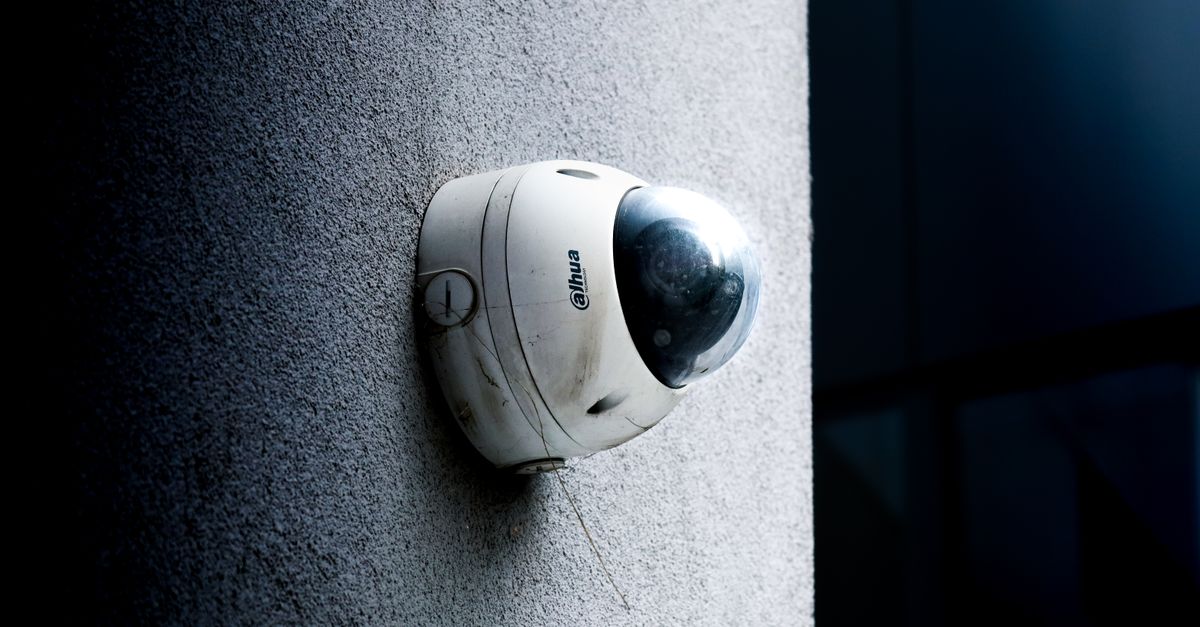
Regular inspection of the surroundings where CCTV cameras are installed is crucial for maintaining their functionality. Outdoor units are particularly susceptible to environmental elements such as rain, wind, and harsh sunlight. Corrosion and wear can affect the camera housing, leading to potential malfunctions. Assessing the physical condition of cables and mounts also helps in identifying any signs of damage that could hinder operational efficiency.
Seasonal changes may bring specific challenges, making it essential to monitor for debris accumulation and obstructions around the cameras. Areas prone to flooding should be examined for moisture damage, while regions with extreme temperatures can impact the electronic components within the devices. Taking proactive measures to remove any blockages and protect cameras with appropriate housing can significantly prolong their lifespan and ensure continued effectiveness in surveillance operations.
Protecting Against Weather Effects
CCTV cameras are often installed outdoors, making them susceptible to various weather conditions. Rain, hail, and extreme temperatures can lead to corrosion and damage the internal components. Regular inspections are crucial for identifying any wear and tear that may arise due to these environmental factors. Seeking professional help for installation can ensure that cameras are mounted securely and are less impacted by harsh weather.
Utilising protective enclosures can significantly extend the lifespan of surveillance equipment. These protective covers shield cameras from direct exposure to rain, wind, and dust. Additionally, using weather-resistant models designed for outdoor usage can enhance durability and performance. Choosing the right housing for your CCTV system is a strategic measure that promotes long-term functionality and reliability.
Review Recorded Footage
Regularly assessing recorded footage is vital for ensuring the effectiveness of your CCTV system. By reviewing this footage, you can evaluate if the cameras are capturing the necessary areas and identifying potential blind spots. This practice also helps determine how well the system responds to changes in the monitored environment, such as new obstacles or alterations in lighting conditions.
Looking back at past recordings allows for the detection of patterns in activities, which might signal security concerns or habitual behaviours. Understanding these patterns enables you to make informed decisions about the adequacy of your current setup. Moreover, frequent reviews can identify any malfunctions in the equipment, ensuring that the system is always operational when needed.
Assessing the Effectiveness
Evaluating recorded footage is crucial to ensure the security system can capture clear and actionable images. Regularly reviewing the quality of the footage helps identify any discrepancies in camera positioning or settings. Observing the clarity of the images during different times of day is essential, as lighting can significantly affect the performance of the cameras. This practice also allows for adjustments to be made, enhancing monitoring capabilities.
Additionally, checking for blind spots within the coverage area provides insights into potential vulnerabilities. If footage reveals areas that are less visible or entirely missed, corrective measures can be implemented. This may involve repositioning cameras or adding additional units to fortify the surveillance network. Maintaining an effective CCTV system requires ongoing assessment, ensuring the highest level of security can be provided at all times.
FAQS
How often should I monitor my CCTV system's performance?
It is recommended to monitor your CCTV system's performance at least once a month to identify any potential issues early and ensure optimal functionality.
What are some common anomalies to look for in my CCTV system?
Common anomalies include irregular recording times, inconsistent image quality, unusual motion detection alerts, and loss of connectivity. Identifying these issues early can help prevent more significant problems.
How can environmental damage affect my CCTV system?
Environmental damage, such as water exposure, extreme temperatures, and physical impacts from debris, can impair the functionality of your CCTV system. Regular checks help to identify and mitigate these risks.
What measures can I take to protect my CCTV system from weather effects?
Consider using weatherproof enclosures, positioning cameras away from direct exposure to harsh elements, and ensuring proper installation to minimise the risk of damage from environmental factors.
How often should I review recorded footage from my CCTV system?
It is advisable to review recorded footage regularly, especially after any incidents or suspicious activity. This helps assess the effectiveness of your CCTV system in providing clear evidence when needed.
Related Links
Understanding the Cost Benefits of Regular CCTV MaintenanceThe Role of Maintenance in Extending CCTV Lifespan
Developing a Routine Maintenance Schedule for CCTV Cameras
Innovative Solutions for Streamlining CCTV Maintenance
The Impact of Neglecting CCTV Maintenance on Security
How Regular Maintenance Enhances CCTV Performance