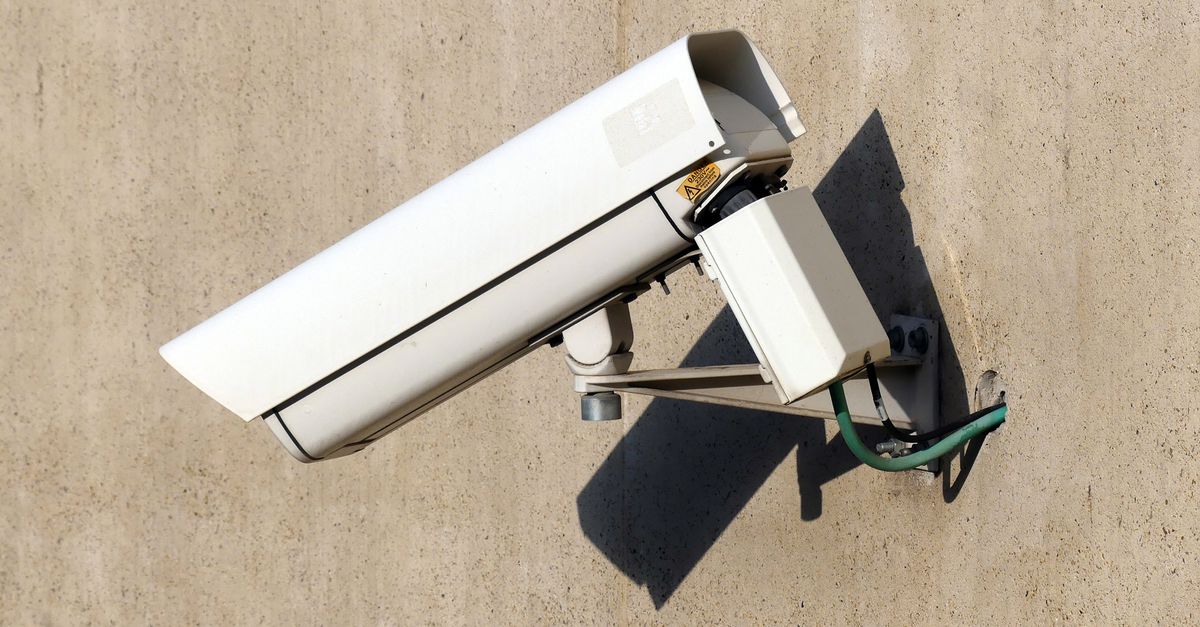
Developing a Routine Maintenance Schedule for CCTV Cameras
Table Of Contents
Testing Video Quality and Recording Functionality
Regular testing of video quality is essential for ensuring that surveillance footage meets required standards. Clear images allow for effective monitoring and can be crucial during investigations. When evaluating the video, assess clarity, colour accuracy, and detail under different lighting conditions. Pay attention to potential obstructions that may affect the camera’s field of view. Regularly checking the resolution settings and adjusting them if necessary can help maintain optimal performance.
Functionality of the recording system should not be overlooked. It is important to confirm that the camera is recording continuously and that data is being saved correctly. Routine checks on storage devices are vital to ensure sufficient capacity and to mitigate risks of data loss. Implementing a schedule for these tests will support proactive maintenance and assist in identifying issues before they escalate into significant problems. Regular updates to software can also enhance recording capabilities and improve overall system efficiency.
Ensuring Clarity and Reliability of Footage
Regular testing of video quality should be a core component of any CCTV maintenance routine. Checking for clarity involves assessing both the lens and the sensor. Dirty or obstructed lenses can lead to unclear images. Performing a physical inspection and cleaning the lenses with appropriate materials ensures optimal performance. Additionally, adjusting the focus and zoom settings can make a significant difference in capturing high-resolution footage.
Recording functionality also demands attention to guarantee reliable surveillance. It is essential to routinely verify that recordings are being saved properly and accessible for review when needed. Testing playback of previously recorded footage confirms that the system is capturing images correctly without loss of quality. Addressing these aspects proactively minimises the potential for issues that may arise during critical moments.
Environmental Considerations in Maintenance
When developing a maintenance plan for CCTV cameras, environmental factors play a crucial role in their performance and longevity. Cameras exposed to harsh weather conditions, such as rain, humidity, extreme heat, or frost, require special attention. Selecting equipment designed for outdoor use with appropriate ratings can help mitigate risks associated with water ingress and temperature fluctuations. Regular inspections should focus on assessing any signs of wear or damage to the camera housing and ensuring seals are intact.
Furthermore, the location of the cameras significantly affects their maintenance needs. Urban environments may present challenges such as dust accumulation and pollution, while rural areas might expose cameras to wildlife disturbances. Implementing protective measures, such as housing or mounting adjustments, can reduce vulnerability to these elements. Additionally, creating a schedule for regular cleaning and inspection tailored to the specific environmental conditions will help maintain optimal functionality and image quality.
Addressing Weather and Location Factors
Environmental factors play a crucial role in the performance of CCTV cameras. Rain, humidity, and extreme temperatures can adversely affect the functioning of these devices. Ensuring that cameras are equipped with weatherproof housing can mitigate potential damage caused by adverse conditions. Regular inspections should also focus on ensuring that protective casings are intact and that seals are not compromised.
The location of CCTV cameras necessitates careful consideration of their surroundings. Factors such as direct sunlight, dust, and potential obstructions can impact video quality and reliability. Keeping lenses clean and unobstructed is essential for optimal performance. Regularly assessing the positioning of cameras allows for adjustments to be made, ensuring they capture the intended areas without interference.
Troubleshooting Common Issues
Regular maintenance will help identify common issues that may arise with CCTV systems. One frequent problem is a lack of video quality, which can stem from issues such as dirt on the lens or improper camera positioning. Taking the time to clean the cameras and adjust their angles can significantly enhance the clarity of the footage. Additionally, ensuring that the cameras are receiving adequate power is crucial to their overall functionality.
Another problem that may occur is recording failures. This can happen due to a full hard drive or faulty cabling. Regularly checking storage capacity and replacing hard drives as needed will mitigate this risk. Inspecting cables for signs of wear or damage is equally important to prevent interruptions in recording capabilities. Addressing these issues promptly can help maintain the effectiveness of the CCTV system.
Identifying and Resolving Frequent Problems
CCTV systems can encounter various issues that impact their performance and effectiveness. Common problems include blurry footage, disconnected cameras, and failure to record. Identifying these issues requires regular monitoring of video feeds and system alerts. Routine inspections can reveal abnormalities such as physical damage to the cameras or misaligned lenses that might contribute to poor video quality.
Resolving these issues often involves basic troubleshooting techniques. For example, adjusting the focus or cleaning the camera lenses can enhance clarity. Ensuring that connections are secure and that the network is functioning correctly helps prevent disconnections. In cases where issues persist, consulting the manufacturer's guidelines or contacting a professional technician may be necessary for more complex problems.
FAQS
Why is it important to develop a routine maintenance schedule for CCTV cameras?
A routine maintenance schedule ensures optimal performance and longevity of CCTV cameras, helping to prevent issues before they occur and ensuring reliable surveillance footage.
How often should I test the video quality and recording functionality of my CCTV cameras?
It's recommended to test the video quality and recording functionality at least once a month, but more frequent checks may be necessary in high-traffic areas or during extreme weather conditions.
What environmental factors should I consider when maintaining CCTV cameras?
Consider factors such as exposure to weather elements (rain, wind, sunlight), temperature fluctuations, and potential obstructions like foliage or buildings that may affect camera performance.
What are some common issues I might encounter with CCTV cameras, and how can I troubleshoot them?
Common issues include blurry footage, intermittent recording, and connectivity problems. Troubleshooting steps can include checking lens cleanliness, verifying power supply, and ensuring proper network connections.
How can I ensure the clarity and reliability of footage from my CCTV cameras?
Regularly clean the camera lenses, adjust the camera angles if necessary, and ensure that there are no obstructions. Additionally, performing routine checks on recording settings and storage capacity will help maintain clarity and reliability.
Related Links
Innovative Solutions for Streamlining CCTV MaintenanceThe Essential Guide to Regular Maintenance of CCTV Systems
The Impact of Neglecting CCTV Maintenance on Security
Understanding the Cost Benefits of Regular CCTV Maintenance
Common Maintenance Tasks for Optimal CCTV Functionality