Essential Steps for Configuring Your CCTV System in Perth
Table Of Contents
Installing CCTV Hardware
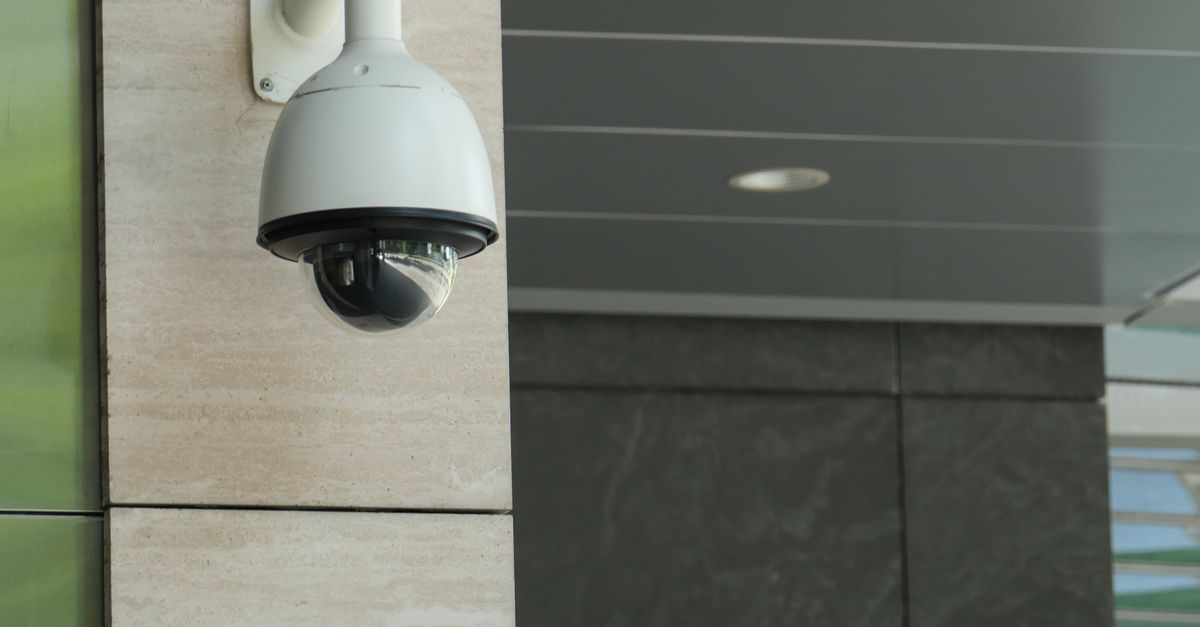
Setting up the physical components of a CCTV system is crucial for effective surveillance. Each camera needs to be strategically placed to cover key areas. Consider factors such as the camera's field of view and potential obstructions. Secure mounting brackets are essential to ensure stability. When mounting, use weatherproof hardware for outdoor setups to withstand the elements.
It's important to connect your cameras to a power source and ensure that cabling is properly managed. An appropriate length of cable will facilitate installation without creating a mess. Organise wires neatly to minimise exposure to the elements and prevent any accidental disconnections. Implementing effective cable management not only enhances aesthetics but also reduces the risk of damage over time.
Essential Tools and Equipment for Installation
To set up a CCTV system efficiently, having the right tools and equipment is crucial. A drill with various bits will assist in securing cameras and mounts. Cable cutters and crimpers are necessary for preparing and installing cables. Additionally, a measuring tape ensures proper placement of cameras for optimal coverage. A level tool will help ensure that your cameras are aligned correctly.
In terms of equipment, high-quality cables are essential for connecting cameras to the recorder or network. Power supplies specific to your cameras will ensure consistent performance. If installing a digital system, a monitor allows for immediate viewing and adjustments during setup. Investing in weatherproof enclosures is wise if cameras will be placed outdoors, providing protection from the elements.
Configuring Your CCTV System Settings
Adjusting the settings of your CCTV system is crucial for optimal performance. Begin by accessing the system's user interface, which can typically be done through a connected monitor or a web interface via your network. Once there, you need to configure essential parameters such as resolution and frame rates to suit your surveillance needs. Higher resolutions provide clearer images, making it easier to identify faces or details but will require more bandwidth and storage.
After fine-tuning the resolution, focus on frame rates. A higher frame rate ensures smoother video playback, which can be vital for capturing fast-moving objects. Striking a balance between image quality and system performance is essential, as pushing the limits can lead to latency issues or excessive storage use. Regularly review and adjust these settings based on the evolving requirements of your surveillance areas, ensuring you maintain effective monitoring capabilities throughout changing conditions.
Adjusting Resolution and Frame Rates
The resolution of your CCTV system plays a crucial role in determining the clarity and detail of the footage. Higher resolutions, such as 4K, provide exceptionally crisp images, making it easier to identify faces and license plates. However, higher resolutions also require more bandwidth and storage space. It’s essential to find a balance between desired image quality and the limitations of your hardware and infrastructure.
Frame rates significantly impact the fluidity of the recorded video. Common options range from 15 to 30 frames per second (FPS), with higher rates improving motion clarity. In environments with a lot of movement, such as busy streets or retail spaces, opting for a higher frame rate can deliver smoother playback. Take into account the available bandwidth and storage capacity, as higher frame rates will consume more data, potentially leading to storage shortages if not managed correctly.
Ensuring Network Stability for IP Cameras
A reliable internet connection is crucial for the effective operation of IP cameras. Begin by ensuring that your network hardware is up to standard. Using a wired connection generally offers greater stability than Wi-Fi, particularly in large spaces. If you must rely on wireless connections, consider placing the router centrally to enhance coverage. Upgrading your router can also make a significant difference. Look for models that support the latest Wi-Fi standards for improved bandwidth and range.
Network congestion can severely impact camera performance. To mitigate this, limit the number of devices connected to your network. Assigning priorities to your IP cameras via Quality of Service (QoS) settings in your router can enhance their performance during peak usage times. Regularly monitoring your network for any potential issues can help maintain a stable connection. Implementing these strategies will ensure that your IP cameras operate efficiently, providing you with uninterrupted security footage.
Tips for Boosting Internet Connectivity
Maintaining a stable internet connection is crucial for the effective performance of IP cameras. Start by positioning the router in a central location within your premises. Avoid placing it near walls or large metal objects that may obstruct the signal. Additionally, consider using a wireless range extender to boost coverage in areas that are further away from the router.
Reducing interference from other devices can significantly enhance connectivity. Keep devices such as microwaves and cordless phones at a distance from your router. Changing the Wi-Fi channel can also help improve your connection if many neighbours are using the same one. If you experience persistent issues with wireless connections, running an Ethernet cable directly to your cameras will provide a more reliable and faster connection.
FAQS
What are the essential tools needed for installing a CCTV system?
Essential tools for installing a CCTV system include a drill, screwdriver, cable cutters, crimping tool, and a level. Additionally, having a laptop or tablet for configuration and monitoring can be beneficial.
How do I adjust the resolution and frame rates for my CCTV cameras?
You can adjust the resolution and frame rates through the CCTV system's settings menu. Access the camera settings via the software or app, and select your desired resolution and frame rate based on your needs for clarity and storage capacity.
What should I do to ensure my IP cameras have a stable network connection?
To ensure a stable network connection for your IP cameras, use a reliable router, ensure your internet speed is sufficient, and set up a dedicated network for your cameras if possible. Additionally, consider using Ethernet cables for wired connections.
How can I boost my internet connectivity for a CCTV system?
To boost internet connectivity for your CCTV system, you can upgrade your internet plan, position your router closer to the cameras, use Wi-Fi extenders, or switch to wired connections for better stability.
Is it necessary to have professional help for configuring my CCTV system?
While it is not strictly necessary, seeking professional help can ensure that your CCTV system is installed and configured correctly, optimising its performance and security. If you’re unsure about technical aspects, consulting a professional is advisable.
Related Links
Advanced Configuration Techniques for Enhanced CCTV FunctionalityQuick Guide to Configuring Motion Detection on CCTV Cameras
Understanding Camera Settings for Ideal Night Vision
How to Adjust Field of View for Your CCTV Cameras
Best Practices for Multi-Camera Configuration