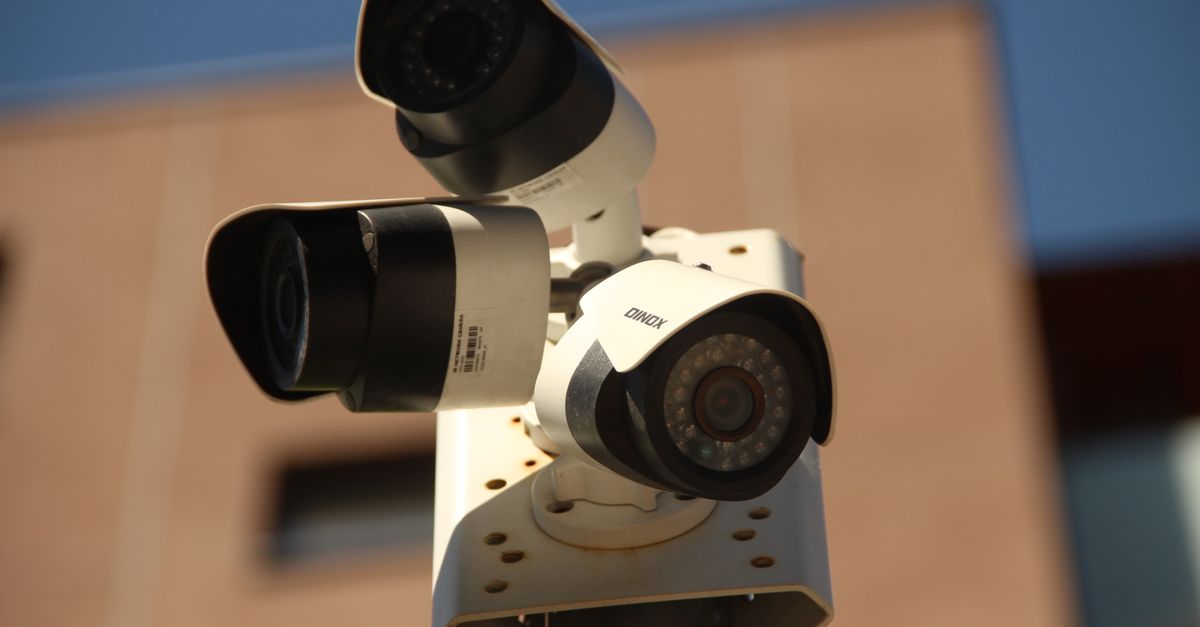
Understanding Camera Settings for Ideal Night Vision
Table Of Contents
Focusing Techniques for Night Photography
When shooting at night, achieving sharp focus can be a challenge due to low light conditions. Autofocus systems may struggle, often resulting in blurry images. Manual focus is typically the preferred method, allowing photographers to precisely select the point of focus. Using the live view mode on your camera's LCD screen enhances accuracy, as you can zoom in to fine-tune focus on your subject.
Utilising a sturdy tripod is essential for night photography. It eliminates camera shake, which is particularly problematic when using slower shutter speeds. Employing a remote shutter release or setting a timer can further reduce any potential movement. Highlighting edges in your composition can help in pinpointing focus, especially when working with subjects that have defined lines, such as buildings or landscapes under moonlight.
Achieving Sharp Focus in Low-Light Environments
Capturing sharp images in low-light conditions presents unique challenges, primarily due to reduced visibility and the camera's reliance on autofocus systems. Many cameras struggle to lock onto subjects when lighting is minimal, resulting in blurred images or missed shots. One effective technique involves switching to manual focus, allowing photographers to adjust the lens precisely. Utilising the camera's live view mode can be invaluable in these situations, as it often provides a clearer display and more accurate focus peaking.
Another important aspect is using a stable base, such as a tripod, to avoid camera shake that can occur with longer exposure times. Slower shutter speeds may be required to let in more light, which increases the risk of motion blur. Additionally, incorporating a remote shutter release can further mitigate vibration caused by pressing the camera’s shutter button. By combining these methods, photographers can enhance their chances of achieving crisp focus amid challenging low-light conditions.
White Balance Adjustments
Adjusting white balance is crucial for achieving accurate colour representation in nighttime photography. Many photographers tend to use the automatic white balance setting, which can often result in unnatural tones. Instead, utilising manual adjustments allows for a more authentic capture of the scene's colours. Different light sources, such as streetlights or moonlight, can cast varying colour tones, necessitating careful calibration of the white balance settings to reflect the true atmosphere.
When shooting at night, selecting a preset white balance option can also be beneficial. Common settings include tungsten and fluorescent, tailored to combat common artificial light hues. However, experimenting with custom settings may yield even more impressive results, as this allows for fine-tuning based on the specific lighting conditions encountered. Taking the time to understand and implement these adjustments leads to images that resonate more with the viewer's experience.
Setting White Balance for Accurate Colour Representation
In night photography, achieving accurate colour representation can be challenging due to artificial lighting. Many sources of light emit different temperatures, leading to colour casts that may skew your images. Understanding the relationship between various light sources and their colour temperatures is essential. Often, city lights can produce a warm, yellowish hue, while fluorescent lights tend to create cooler, green tones. Carefully adjusting the white balance setting can help mitigate these effects, ensuring the colours in your photographs remain true to life.
Utilising your camera's white balance presets can streamline this process. Each preset is designed for specific lighting conditions, so selecting the appropriate one based on the environment can enhance your results. Manual adjustments may also be necessary for more precise control, allowing you to customise the temperature and tint according to your artistic vision. Experimenting with different settings in the same shooting environment can reveal significant differences in the final image. Capturing the essence of a night scene often hinges on getting the white balance just right.
The Impact of Lens Choice
Lens choice plays a crucial role in achieving quality imagery during nighttime sessions. Wide-aperture lenses—those with a lower f-stop number—play a significant part in gathering more light. By allowing more light to enter the camera, these lenses help capture finer details in low-light conditions. This is particularly beneficial for shots featuring stars or other distant subjects where clarity is essential.
In addition to aperture size, the focal length of the lens can influence composition and perspective. Shorter focal lengths offer a wider field of view, ideal for landscapes or cityscapes. Meanwhile, longer focal lengths can effectively isolate subjects against a dark background, creating depth and drama in the image. Choosing the right lens can enhance creative opportunities while ensuring optimal performance in challenging lighting.
Selecting Lenses Suitable for Nighttime Photography
Choosing the right lens is crucial for achieving the best results during night photography. Lenses with larger maximum apertures, often referred to as fast lenses, are ideal as they allow more light to enter the camera. This feature is especially beneficial in low-light situations, enabling quicker shutter speeds and reducing the likelihood of motion blur. Look for lenses with an aperture of f/2.8 or wider to help capture sharp images.
Wide-angle lenses can also be advantageous for night photography. They allow for expansive compositions, capturing more of the night sky or urban landscapes bathed in artificial light. Additionally, a good quality lens can reduce distortion and produce clearer images, attributes that are essential when shooting at night. Select lenses specifically designed for low-light performance to elevate the overall quality of your nighttime work.
FAQS
What are the best focusing techniques for night photography?
The best focusing techniques for night photography include using manual focus, employing focus peaking if your camera supports it, and utilizing a flashlight or smartphone light to illuminate your subject to help achieve sharp focus.
How can I achieve sharp focus in low-light environments?
To achieve sharp focus in low-light environments, consider using a tripod to stabilize your camera, using a wide aperture to allow more light in, and taking advantage of the camera's live view mode for more precise focusing.
What should I set my white balance to for night photography?
For night photography, you can start with a custom white balance setting or use the tungsten or fluorescent preset options to counteract the yellow or green tones in artificial lighting, adjusting as needed based on the specific lighting conditions.
Why is white balance important in night photography?
White balance is important in night photography because it ensures accurate colour representation, preventing unwanted colour casts from artificial lighting and allowing for more natural-looking images.
What types of lenses are best for nighttime photography?
Lenses with wide maximum apertures (e.g., f/1.4 or f/1.8) are ideal for nighttime photography as they allow more light to hit the sensor. Additionally, lenses with good low-light performance, such as prime lenses or high-quality zooms, are recommended for capturing sharp images in low-light conditions.
Related Links
How to Adjust Field of View for Your CCTV CamerasHow to Set Up Your CCTV Camera's Network Connection
Best Practices for Multi-Camera Configuration
Tips for Setting Up Remote Access to Your CCTV System
Beginner's Guide to CCTV Camera System Configuration
Advanced Configuration Techniques for Enhanced CCTV Functionality