Wireless CCTV Cameras: A Guide to Coverage and Range
Table Of Contents
Choosing the Right Camera for Your Needs
Selecting the perfect wireless CCTV camera requires assessing various factors tailored to your specific situation. Consider your environment first, as outdoor cameras need to withstand weather elements while indoor models can focus on aesthetics without the same weatherproofing requirements. Resolution is another crucial aspect; higher resolutions offer clearer images, which can be particularly important for identifying faces or license plates.
A key aspect of your selection process is determining the required coverage area. Some cameras offer wide-angle views, allowing for extensive monitoring from a single point, while others focus on specific zones. Additionally, features like night vision and motion detection can enhance your camera's effectiveness, providing reliable performance around the clock. Identifying your budget at this stage will help narrow down options and ensure you find a camera that balances quality and affordability.
Different Types of Wireless CCTV Cameras
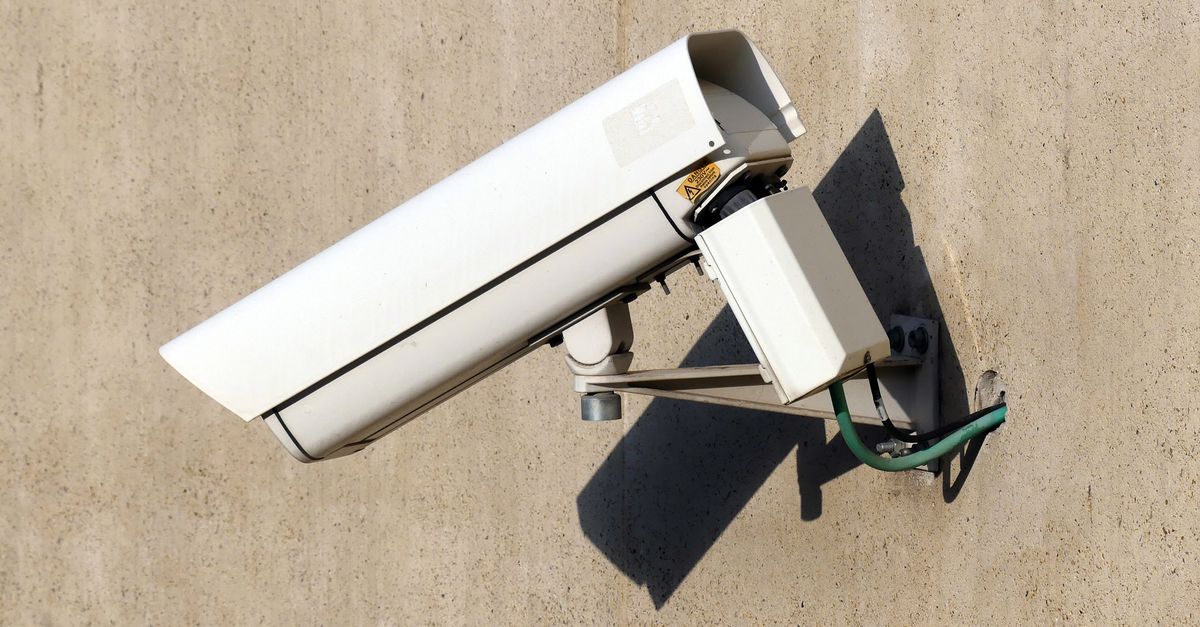
A variety of wireless CCTV cameras are available, each suited to specific surveillance needs. Dome cameras are often used in commercial settings due to their discreet design. They offer a 360-degree field of view and are resistant to vandalism. Bullet cameras, on the other hand, are typically used for outdoor applications as they have a longer range. Their distinctive shape allows for easy mounting in various locations, ensuring visibility and deterrence against intruders.
Another category includes PTZ (Pan-Tilt-Zoom) cameras, which provide flexible surveillance options. These cameras can be remotely controlled to pan left or right, tilt up or down, and zoom in on specific areas of interest. They are ideal for covering large spaces as they can focus on particular events or objects as they happen. Finally, there are hidden or spy cameras designed for covert monitoring. Their small size allows them to blend seamlessly into environments, capturing footage without drawing attention. Each type serves unique purposes, enhancing security for home or business environments.
Installation Tips for Maximum Coverage
Achieving optimal coverage with wireless CCTV cameras involves careful planning and strategic placement. Start by assessing the area you want to monitor, noting any potential obstacles that could obstruct the camera's line of sight. Ensure that the cameras are positioned at a height that deters tampering while still capturing key visual details from the desired angles. This may involve mounting cameras on walls or ceilings for maximum visibility. Consider using multiple cameras to cover blind spots, creating a comprehensive security system.
After determining the best locations, take advantage of the camera's features to enhance coverage. Many wireless cameras offer adjustable lenses or pan-tilt-zoom capabilities, which can be beneficial for monitoring larger spaces. Checking the camera's field of view specification will help you to install it in a way that maximises the area it can visually encompass. Regularly review the footage to ensure that the camera angles are capturing essential areas and adjust accordingly for any changing security needs.
Proper Placement Strategies
Optimal placement of wireless CCTV cameras is crucial to achieving comprehensive surveillance coverage. Begin by identifying key areas that require monitoring, such as entrances, driveways, and blind spots around the property. Consider the field of view offered by the camera, as some models provide a wider angle than others. Ensuring that cameras are positioned at an appropriate height can prevent tampering while allowing for a clear line of sight.
Environmental factors also play a significant role in camera placement. Avoid positioning cameras near sources of interference, such as large metal objects or dense foliage, as these can obstruct the signal and diminish effectiveness. Take into account potential obstructions like walls and fences that may block the camera’s view. Positioning cameras to face away from direct sunlight can further reduce glare and improve image quality during bright conditions, ensuring that critical details are captured effectively.
Enhancing Signal Strength
To ensure optimal performance, consider the placement of your wireless CCTV cameras. Positioning them within a reasonable distance from the router can significantly enhance signal strength. Obstacles such as walls, furniture, and other electronic devices can interfere with connectivity. Elevating the camera or using mounting brackets to secure a clear line of sight often mitigates these issues. Selecting a location that is central in relation to the camera’s coverage area increases the likelihood of a strong connection.
Utilising a wireless range extender can also improve coverage where signal strength is weak. These devices boost the Wi-Fi signal, allowing for a stable connection even in hard-to-reach areas. It's also wise to regularly update the firmware on your cameras as these updates can optimise performance and resolve connectivity issues. Experimenting with different channels and frequencies may further enhance connectivity by reducing interference from other devices operating on similar signals.
Techniques to Improve Wireless Connectivity
To ensure a stable connection for your wireless CCTV cameras, it’s crucial to minimise interference from other devices. Consider the placement of your router and cameras; keeping them away from walls, metal objects, and electronic appliances can help maintain a strong signal. Using Wi-Fi extenders or mesh networks can also significantly improve coverage in expansive areas, allowing cameras to communicate effectively with the main network without interruptions.
Securing your wireless network will also contribute to better connectivity. Protecting your Wi-Fi with a robust password helps prevent unauthorised access, which can drain bandwidth and impact performance. Regularly updating your router's firmware ensures that it operates on the latest software, optimising its performance. Monitoring network traffic can identify overuse or interference from devices, allowing for informed adjustments to enhance overall connectivity for your CCTV system.
FAQS
What are the main advantages of using wireless CCTV cameras?
The main advantages include easier installation, flexibility in placement, and reduced cabling costs. Wireless cameras can be repositioned easily, making them ideal for changing surveillance needs.
How do I select the right wireless CCTV camera for my property?
Consider factors such as resolution, field of view, range, and whether you need features like night vision or motion detection. Assess your specific security requirements and the areas you want to monitor.
What are the different types of wireless CCTV cameras available?
The main types include bullet cameras, dome cameras, PTZ (pan-tilt-zoom) cameras, and covert cameras. Each type serves different purposes and offers various features suitable for diverse surveillance needs.
How can I maximise the coverage area of my wireless CCTV cameras?
To maximise coverage, select strategic placements that provide an unobstructed view of the areas you want to monitor, avoid physical barriers, and consider the camera’s range specifications during installation.
What techniques can I use to enhance the signal strength of my wireless CCTV cameras?
Techniques include positioning the camera closer to the router, using Wi-Fi extenders, reducing interference from other electronic devices, and ensuring that there are minimal physical obstructions between the camera and the Wi-Fi source.
Related Links
Common Myths About Wireless Cameras DebunkedThe Impact of Wireless Technology on CCTV Efficiency
Comparing Wireless CCTV Cameras to Traditional Wired Systems
Factors Influencing the Performance of Wireless CCTV Cameras
Best Practices for Securing Your Wireless CCTV Network
Installation Tips for Wireless CCTV Cameras in Outdoor Settings
Top Features to Look for in Wireless CCTV Cameras
How to Choose the Right Wireless Camera for Your Property
Advantages of Wireless Cameras for CCTV Installation in Perth