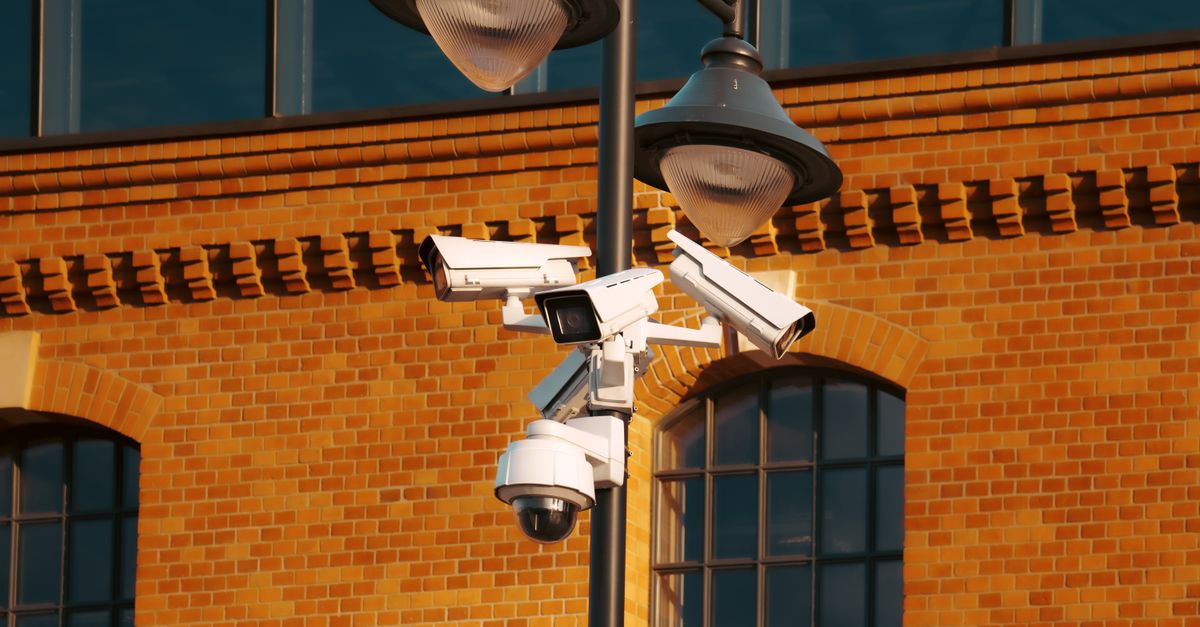
The Impact of Wireless Technology on CCTV Efficiency
Table Of Contents
Wireless Technology Trends in CCTV
The landscape of surveillance is evolving rapidly, driven by advancements in wireless technology. The shift from traditional wired systems to wireless solutions offers flexibility and convenience, enabling easier installation in diverse environments. Modern wireless CCTV systems leverage high-speed connectivity, such as 5G and Wi-Fi 6, enhancing video quality and reducing latency. The integration of cloud storage also supports remote access and management, allowing operators to view footage in real-time from any location.
In addition to connectivity improvements, innovations such as artificial intelligence and edge computing are reshaping the capabilities of CCTV systems. AI-driven analytics enhance motion detection and facial recognition, making it easier for businesses to monitor situations and respond proactively. Edge computing reduces the need to transmit large data volumes to a centralised server, allowing faster processing and minimising bandwidth consumption. These emerging trends not only improve the efficiency of surveillance operations but also provide enhanced security features for various organisations.
Innovations Shaping the Future of Surveillance
Recent advancements in artificial intelligence (AI) have significantly transformed the capabilities of surveillance systems. AI algorithms now enable real-time analysis of video feeds, allowing for enhanced threat detection and automatic alerts. These smart systems can learn from patterns and improve over time, making them increasingly effective at identifying unusual activities. Integration of facial recognition technology also plays a pivotal role in modern surveillance, streamlining the identification of individuals in both public and private spaces.
The advent of cloud computing has further revolutionised the way surveillance data is stored and accessed. This technology allows for remote monitoring and management of CCTV systems, providing flexibility and scalability that traditional systems lack. Users can easily retrieve footage from anywhere, ensuring that critical information is always at hand. Furthermore, advances in wireless communication enhance connectivity and reduce installation complexities, enabling a broader range of applications across diverse settings.
Case Studies
In urban environments, the adoption of wireless CCTV technology has significantly improved monitoring capabilities. A noteworthy example is the City of Melbourne, which implemented a comprehensive wireless surveillance system in its parks and public spaces. By integrating high-definition cameras with a cloud-based storage solution, the city was able to streamline data access for law enforcement, leading to quicker response times during incidents. This deployment highlighted the scalability of wireless networks, as additional cameras were installed without substantial infrastructure changes.
Another instance can be seen in the retail sector, where a major Australian supermarket chain started utilising wireless CCTV to enhance security in its stores. By transitioning from traditional wired systems to wireless options, the chain reduced installation costs and improved flexibility. This change allowed for easier relocation and installation of cameras in response to shifting security needs. The ability to access real-time footage remotely has also enhanced the overall loss prevention strategy, resulting in a notable decrease in theft and vandalism.
Real-World Applications in Various Industries
In the retail sector, wireless CCTV systems have transformed loss prevention strategies. Store owners can monitor customer behaviour and employee activity in real-time. With the ability to access footage remotely, businesses can promptly respond to incidents or suspicious activities. This flexibility helps create a safer shopping environment while ensuring accountability among staff.
Healthcare facilities have also adopted wireless surveillance solutions to enhance security and patient safety. By installing cameras in sensitive areas, hospitals can monitor access to controlled substances and protect vulnerable patients. This technology enables quick identification of potential breaches in security, ensuring compliance with health regulations. Effective monitoring not only safeguards assets but also contributes to a more secure atmosphere for patients and staff alike.
Cost Considerations for Wireless CCTV Systems
Investing in wireless CCTV systems involves several cost considerations that can significantly impact an organisation's budget. The initial outlay will typically include the price of cameras, network equipment, and software licensing. Wireless systems may reduce installation costs due to less cabling, but these savings can be offset by the need for more sophisticated technology to ensure reliable connectivity. Additionally, considering the specific environment and conditions for installation is essential, as they may influence the choice of equipment and increase overall costs.
Ongoing maintenance and monitoring expenses are also crucial to factor into the total cost of ownership. Regular software updates, data storage solutions, and potential subscription fees for cloud services can add to long-term financial commitments. Organisations must assess their specific surveillance needs and the potential for scalability, as a system designed for immediate requirements may not be sufficient as demands grow. By evaluating both upfront and recurring costs, businesses can make informed decisions that align with their operational goals and budget constraints.
Budgeting for Installation and Maintenance
Investing in wireless CCTV systems can yield significant long-term savings, but upfront costs can vary widely based on technology and desired features. Choosing the right equipment is essential for optimising budget allocations. Basic models may suffice for smaller applications, while advanced systems require a larger financial commitment. Additional considerations include storage solutions and cloud services, which can influence total expenses over time. Decisions regarding system scalability should also factor into the budgeting process to ensure future needs are adequately addressed without incurring prohibitive costs later.
Maintenance is another crucial aspect of budgeting for wireless CCTV systems. Regular servicing, software updates, and potential repairs can add to overall expenses. Establishing a preventative maintenance schedule can mitigate unexpected costs and ensure the system functions efficiently. When budgeting, it's wise to set aside funds for ongoing support and training for personnel who operate the surveillance systems. These considerations will contribute to the longevity and effectiveness of the installed technology, ensuring the initial investment pays off in the long run.
FAQS
What are the main benefits of using wireless technology in CCTV systems?
The main benefits of using wireless technology in CCTV systems include easier installation, increased flexibility in camera placement, reduced cabling costs, and the ability to access footage remotely via the internet.
How does wireless technology enhance the efficiency of surveillance systems?
Wireless technology enhances the efficiency of surveillance systems by providing real-time monitoring capabilities, allowing for quick access to high-definition video footage, and facilitating the integration of advanced analytics and cloud storage solutions.
Are there any limitations to wireless CCTV systems?
Yes, limitations of wireless CCTV systems can include potential signal interference, reliance on a stable internet connection, and the need for appropriate security measures to protect the system from hacking or unauthorized access.
What industries are benefiting from wireless CCTV implementations?
Various industries benefiting from wireless CCTV implementations include retail, transportation, healthcare, and construction, as these sectors require flexible surveillance solutions that can adapt to their operational needs.
What should I consider when budgeting for a wireless CCTV system?
When budgeting for a wireless CCTV system, consider the initial installation costs, ongoing maintenance expenses, potential upgrades, the need for additional equipment such as recording devices, and any associated subscription fees for cloud storage or services.
Related Links
Wireless CCTV Cameras: A Guide to Coverage and RangeTop Features to Look for in Wireless CCTV Cameras
Comparing Wireless CCTV Cameras to Traditional Wired Systems
Factors Influencing the Performance of Wireless CCTV Cameras
Best Practices for Securing Your Wireless CCTV Network
Installation Tips for Wireless CCTV Cameras in Outdoor Settings
Common Myths About Wireless Cameras Debunked