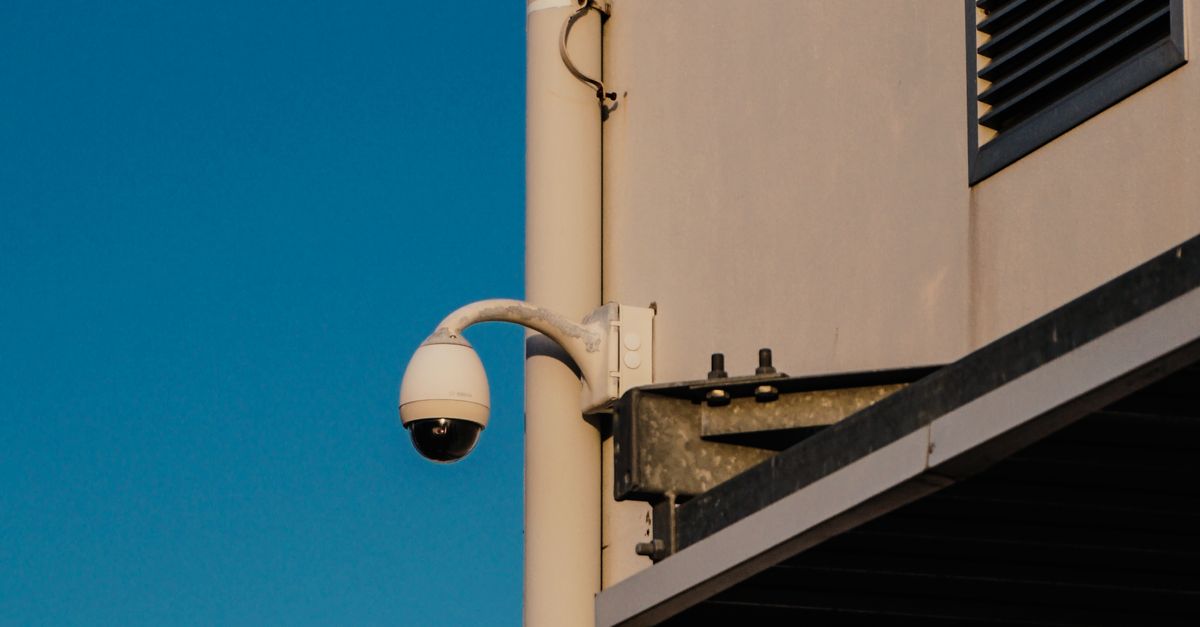
Understanding the Features of Modern Dome Cameras
Table Of Contents
Common Uses of Dome Cameras
Dome cameras are often deployed in various settings, primarily due to their discreet design and versatile functionality. They are commonly found in retail environments, where they help deter theft and monitor customer behaviour. Their ability to provide a wide field of view makes them suitable for covering expansive areas, such as shopping aisles and entrances. Furthermore, the aesthetic appeal of dome cameras allows them to blend seamlessly into most architectural designs, enhancing security without being overly obtrusive.
In addition to retail, these cameras are frequently used in educational institutions to ensure campus safety. Schools and universities benefit from the unobtrusive nature of dome cameras, allowing for surveillance in hallways, classrooms, and outdoor spaces. Their vandal-resistant features make them ideal for locations that may be prone to tampering or damage. Hospitals and healthcare facilities also utilise dome cameras to monitor critical areas while maintaining the necessary privacy for patients and staff.
Suitable Environments for Deployment
Dome cameras are particularly effective in both indoor and outdoor settings. They are commonly employed in retail environments where monitoring high-traffic areas is essential. Their discreet design helps prevent tampering and vandalism, making them suitable for places like shopping centres, museums, and galleries. Outdoor applications benefit from dome cameras’ weatherproof features, allowing them to handle various environmental conditions without compromising functionality.
In locations such as offices and schools, dome cameras offer the advantage of a wide field of view, enabling efficient coverage of large spaces. Their sleek appearance often blends well with modern architecture, allowing for unobtrusive surveillance. Additionally, due to their versatility, they can be installed in hallways, lobbies, and parking lots, ensuring comprehensive security across varying environments.
Integration with Other Security Systems
Dome cameras are designed to seamlessly integrate with various security systems, enhancing overall surveillance effectiveness. They can work in conjunction with alarm systems, access control mechanisms, and video management software. This interconnectivity allows users to create a holistic security approach. Operators can control multiple cameras from a single interface, making it easier to monitor activities and respond to incidents.
Advanced features in modern dome cameras support compatibility with different technologies. For example, many models offer Power over Ethernet (PoE) capabilities, simplifying installation and reducing cabling requirements. Integrating these cameras into an existing network usually involves minimal disruption. This adaptability is particularly valuable for businesses looking to upgrade their security systems without starting from scratch.
Compatibility with Monitoring Solutions
Dome cameras can seamlessly integrate with a variety of monitoring solutions, enhancing their utility in security setups. Many models come equipped with features that facilitate connection to both analogue and digital systems, making them versatile choices for different environments. Compatibility with video management software allows for streamlined recording and playback options, which are crucial for effective surveillance. Furthermore, these cameras often support various network protocols, enhancing their ability to function alongside other security devices.
The ability to integrate with mobile and remote access applications is another significant advantage. Security personnel can easily monitor feeds in real-time from smartphones or tablets, ensuring that they remain connected to their surveillance systems regardless of their location. This flexibility not only increases the overall effectiveness of security monitoring but also provides users with instant alerts for unusual activity. These features cater to the evolving needs of modern security operations, ensuring that dome cameras remain a popular choice for many.
Maintenance of Dome Cameras
Regular maintenance is essential for ensuring that dome cameras function effectively and provide high-quality surveillance. Dust, dirt, and environmental elements can accumulate on the camera's lens or dome, impairing image clarity. A simple cleaning routine involving a soft, lint-free cloth and a suitable lens cleaner can help maintain optimal performance. It is advisable to check the camera's alignment periodically, ensuring that it monitors the desired area without obstruction.
In addition to physical cleaning, routine inspections of the camera's internal components are crucial. Checking for loose connections, damaged cables, or signs of corrosion can prevent potential malfunctions. Keeping software and firmware up to date is another maintenance aspect that should not be overlooked, as updates can improve functionality and enhance security features. Regular maintenance efforts will ultimately extend the lifespan of the dome cameras and provide reliable security coverage.
Regular Cleaning and Upkeep
Keeping dome cameras in optimal condition is essential for maintaining their functionality. Regular cleaning prevents dust, dirt, and other debris from obstructing the lens. A simple soft cloth and mild cleaning solution often suffice for this purpose. Users should ensure that the camera is powered off before undertaking any cleaning task. This precaution helps avoid electrical issues and ensures the safety of the individual performing maintenance.
Routine inspections are equally important to identify any signs of wear or damage. Checking for loose connections and ensuring that housing is intact can prolong the life of the camera. Addressing minor issues promptly can prevent more significant problems from developing in the future. Additionally, verifying that the camera's software is up to date enhances the device's performance and security.
FAQS
What are the common uses of dome cameras?
Dome cameras are commonly used for surveillance in retail stores, banks, offices, and public spaces due to their discreet design and versatility.
In which environments are dome cameras most suitable for deployment?
Dome cameras are suitable for both indoor and outdoor environments, particularly in areas where a wide field of view is required and where aesthetics are a consideration, such as malls and corridors.
How can dome cameras be integrated with other security systems?
Dome cameras can be easily integrated with various security systems, including alarm systems, access control systems, and central monitoring stations, allowing for a cohesive security setup.
Are dome cameras compatible with all monitoring solutions?
Most modern dome cameras are compatible with a range of monitoring solutions, including IP-based systems and cloud storage options, ensuring flexibility in how footage is accessed and managed.
What maintenance is required for dome cameras?
Regular maintenance for dome cameras includes cleaning the lens to ensure clear image quality, checking the alignment, and ensuring that the camera’s housing is free of obstructions and weather damage.
Related Links
How to Choose the Right Dome Camera for Your Business NeedsCommon Myths About Dome Cameras Debunked
The Role of Dome Cameras in Enhancing Security Systems
Evaluating the Cost-Effectiveness of Dome Cameras for Surveillance
Best Practices for Positioning Dome Cameras in Vulnerable Areas
Comparing Dome Cameras to Other CCTV Options for Perth Residents
Advantages of Using Dome Cameras for Home Security in Perth
Installation Tips for Dome Cameras in Outdoor Environments
How Dome Cameras Handle Low-Light Conditions Effectively