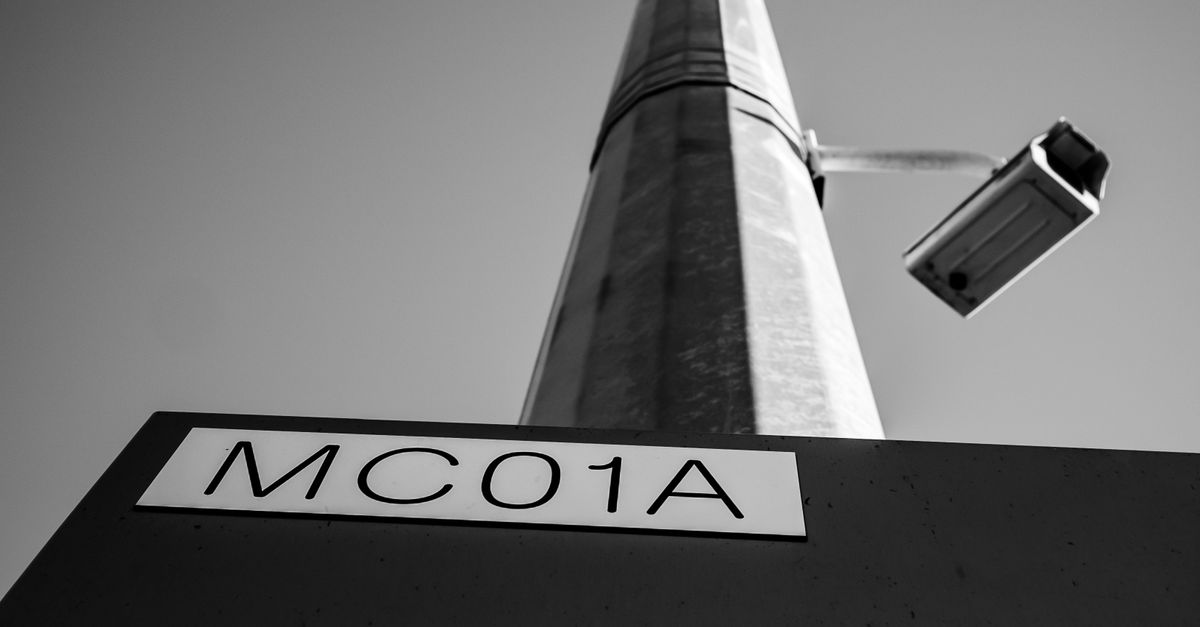
Installation Tips for Dome Cameras in Outdoor Environments
Table Of Contents
Camera Angle Adjustments
Adjusting the camera angle is crucial for optimising surveillance coverage. Positioning the camera correctly allows for capturing the desired area while minimising blind spots. A common practice involves tilting the dome camera slightly downwards. This adjustment helps in focusing on entry points or key areas of interest, ensuring that essential details are recorded.
Tracking movement is also vital for effective monitoring. Fine-tuning the angle can enhance the ability to capture action occurring within the camera's field of vision. During installation, it is beneficial to test the camera's view by observing through the dome. This allows for any necessary adjustments before securing the camera permanently, thus ensuring comprehensive coverage from the start.
Maximising Field of Vision
Choosing the right camera angle is essential for capturing an optimal field of vision. The lens of dome cameras often allows for a wider perspective compared to traditional cameras. Positioning the camera at a height that reduces the risk of tampering while maintaining an expansive view is crucial. Consider the focal length and field of view specifications, as these will greatly influence how much area the camera can effectively monitor.
When installing dome cameras, avoid placing them directly above objects or structural elements that may obstruct the view. Trees, buildings, and other large equipment can create blind spots if they fall within the camera's line of sight. Regularly check for changes in the environment that could affect visibility, such as foliage growth or construction work. Ensuring the camera remains unobstructed will enhance the effectiveness of monitoring activities in outdoor spaces.
Using Mounting Brackets
Proper selection of mounting brackets is crucial for a successful installation of dome cameras in outdoor settings. These brackets should be compatible with the specific model of the camera to ensure a secure fit. Many manufacturers offer a range of mounting options designed to cater to various surfaces such as walls, ceilings, or poles. Choosing adjustable brackets can enable operators to tilt or swivel cameras, fine-tuning the field of vision to maximise surveillance coverage.
When installing the brackets, care must be taken to utilise appropriate fixtures and fittings. Using high-quality screws and anchors helps resist deterioration caused by outdoor elements, ensuring that the installation remains intact over time. It’s advisable to examine the surface where brackets will be mounted, ensuring it can support the camera's weight effectively. This attention to detail can prevent issues that may arise from improper installation, ultimately enhancing the longevity and performance of the monitoring system.
Secure Installation Methods
Dome cameras require a solid and secure installation to ensure reliable operation, especially in outdoor environments. Using quality mounting hardware is essential to withstand both the weight of the camera and any environmental pressures such as wind or rain. Anchors and screws suitable for the surface material will provide added stability. It is advisable to tighten all fittings properly to prevent any movements or misalignment over time.
Consider using tamper-resistant screws to deter vandalism. Such screws help maintain the integrity of the installation and discourage any unwanted interference. Regular maintenance checks should also be implemented to ensure that all components remain secure, as wear and tear can occur over time, particularly in exposed locations. Proper monitoring and timely adjustments will maximise the lifespan and effectiveness of the dome camera.
Environmental Factors
Weather conditions can significantly impact the performance of dome cameras installed outdoors. Rain, sunlight, and extreme temperatures can affect visibility and functionality. Selecting cameras with weatherproof ratings is essential for reliable operation in varying conditions. Additionally, considering the angle of sunlight during different times of the day can help minimise glare, ensuring clearer images.
The presence of vegetation and structures in the vicinity also plays a crucial role in camera effectiveness. Overhanging branches can obstruct the field of view, while nearby buildings may cast shadows that impair image quality. Regular maintenance and adjustments are necessary to ensure these environmental factors do not hinder surveillance efforts. Taking the time to assess the surroundings can enhance the overall performance of the security system.
Avoiding Obstructions and Reflections
When positioning dome cameras, it’s essential to account for potential obstructions that could hinder their effectiveness. Trees, buildings, and even furniture can disrupt the camera's line of sight. Placing the camera high and angled towards key areas can help capture a broader perspective. Regularly assessing the environment for any new growth or installations will ensure that the camera continues to function optimally over time.
Reflections can significantly compromise the clarity of captured footage. Surfaces such as glass and polished metal often produce glare that interferes with visibility. To mitigate this issue, consider installing the camera in a shaded area or at an angle that avoids direct sunlight. Protective covers or anti-reflective coatings may also assist in enhancing image quality. Regular maintenance, including cleaning the lens, will further improve the reliability of the surveillance system.
FAQS
What is the best angle for installing dome cameras outdoors?
The best angle for installing dome cameras outdoors typically involves positioning the camera to cover as much area as possible while minimising blind spots. Adjust the camera angle to focus on entry points or areas of high activity for optimal surveillance.
How can I maximise the field of vision for my dome camera?
To maximise the field of vision for your dome camera, ensure it is mounted at an appropriate height and angle. Consider using a wider lens if available, and adjust the camera to cover corners and areas that may not be easily visible.
What types of mounting brackets are recommended for outdoor dome cameras?
Recommended mounting brackets for outdoor dome cameras include wall mounts, ceiling mounts, and corner mounts, depending on your installation site. Choose brackets that are weather-resistant and compatible with your camera model for optimal performance.
What secure installation methods should I use for outdoor dome cameras?
For secure installation of outdoor dome cameras, use screws and anchors designed for outdoor use. Ensure the camera is firmly attached to a stable surface and consider using tamper-proof screws to prevent removal or vandalism.
How do environmental factors affect dome camera installation?
Environmental factors such as weather conditions, lighting, and potential obstructions can significantly impact dome camera installation. Ensure the camera is protected from harsh weather, positioned to avoid glare from sunlight, and installed in a location free from obstructions that could block the view.
Related Links
Advantages of Using Dome Cameras for Home Security in PerthHow Dome Cameras Handle Low-Light Conditions Effectively
The Role of Dome Cameras in Enhancing Security Systems
Evaluating the Cost-Effectiveness of Dome Cameras for Surveillance
How to Choose the Right Dome Camera for Your Business Needs
Understanding the Features of Modern Dome Cameras