Techniques for Conducting a Visual Inspection for CCTV Installations
Table Of Contents
Inspecting Power Sources
A reliable power source is essential for seamless CCTV operation. Begin the inspection by checking the location of power outlets used to connect the cameras. Look for any signs of moisture or damage near these outlets, as these factors can lead to electrical failures. Ensure that any extension cords or power supplies in use are rated for the required voltage and current. This verification helps prevent potential disruptions in surveillance due to power issues.
Next, examine the power cables for any signs of wear or fraying. These physical conditions can increase the risk of shorts or intermittent power supply. Make sure connections are secure and properly insulated to minimise the chance of electrical hazards. Additionally, check for any visible signs of overheating, which may indicate a problem that needs immediate attention. Identifying and addressing power source issues proactively can significantly improve the longevity and reliability of your CCTV system.
Verifying Electrical Connections
Electrical connections play a crucial role in the performance of CCTV systems. Inspect each connection for signs of wear, corrosion, or loose wiring. Ensure that all connections are securely seated and insulated to prevent short circuits or interruptions in power supply. Pay particular attention to weather-proofing where applicable, especially in outdoor installations, as exposure to moisture can lead to degradation over time.
Additionally, it is essential to check that the power supply voltage meets the requirements specified for the CCTV equipment. Use a multimeter to measure the voltage at various points within the system. Any discrepancies may indicate an underlying issue that needs to be addressed before full functionality can be guaranteed. Regular inspection of these connections helps in identifying potential problems early on, ensuring the reliability of the surveillance system.
Reviewing Mounting Stability
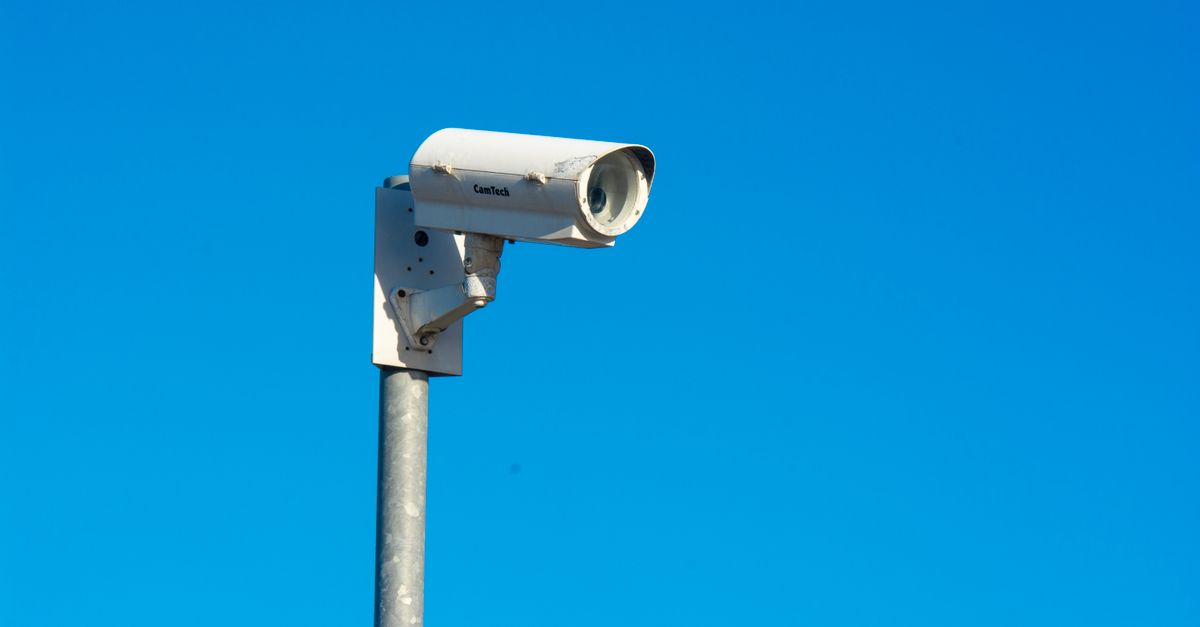
Mounting stability is crucial for the effectiveness of CCTV systems. Inspectors should assess whether the camera brackets and supports are securely attached to the intended surfaces. This includes checking for any signs of rust, damage, or looseness that may compromise the integrity of the installation. Any movement in the mounting can lead to misaligned cameras, reducing the field of view and overall surveillance effectiveness.
It is also important to verify the compatibility of the mounting hardware with both the camera and the surface it is attached to. Inspectors should look for appropriate weight ratings and ensure that all components are suited to handle the environmental conditions they will face. This includes assessing whether the mounts are appropriate for outdoor use if the cameras are installed externally. Regular inspections can help maintain an optimal state of stability for CCTV installations.
Examining Brackets and Supports
Properly installed brackets and supports are crucial for maintaining camera stability and optimal viewing angles. Inspect the integrity of these components for signs of wear, rust, or damage. Ensure that they are securely mounted and free of any wobbling or movement. Pay attention to the quality of materials used; inferior brackets can lead to camera misalignment over time.
Additionally, assess the installation method used for the brackets. They should be anchored appropriately to the surface, whether it’s drywall, masonry, or metal. Loose screws or inadequate fasteners can compromise the effectiveness of the CCTV system. Take note of any adjustments that may be necessary to enhance the camera’s position or stability during the inspection process.
Testing Camera Functionality
Camera functionality is crucial for effective surveillance. Start by ensuring that each camera is powered on and connected to the recording system. Perform a visual check of the camera lens for cleanliness. Dust or debris can obstruct the view, leading to unclear footage. After confirming the camera is operational, observe its field of view to ensure it is correctly aimed at the intended area.
After initial checks, conduct real-time image evaluations. This involves monitoring the live feed for clarity and stability. Look for any signs of distortion or flickering, which might indicate issues with the camera or its connection. Lastly, check the recording functionality by reviewing recent footage for quality and continuity. Ensuring that the camera functions properly is essential for reliable surveillance operations.
Performing Real-Time Image Checks
Assessing the functionality of CCTV cameras is crucial to ensure they operate as intended. Start by accessing the camera's live feed through its interface or connected system. This allows you to observe the image quality and clarity directly. Check for signs of distortion, blurriness, or noise that may indicate a malfunction. It is essential to position yourself in the area where the camera should be monitoring to see if the coverage aligns with the expected field of view.
Adjusting camera angles may be necessary during this inspection process. Ensure that the focus is sharp and the image captures the relevant details. If multiple cameras are involved, repeat the assessment for each unit to identify any discrepancies. Regular monitoring of these live feeds also assists in spotting any immediate issues that could affect surveillance capabilities. Implementing this step as part of routine maintenance can significantly enhance the reliability of the CCTV system.
FAQS
What are the key aspects to inspect when verifying power sources for CCTV installations?
When verifying power sources, key aspects include checking for proper voltage supply, ensuring that backup power systems are functioning, and confirming that all power cables are intact and securely connected.
How can I ensure that the electrical connections for my CCTV system are secure?
To ensure secure electrical connections, visually inspect all wiring for signs of wear or damage, check that connections are tight and corrosion-free, and test continuity with a multimeter if necessary.
What should I look for when reviewing the mounting stability of CCTV cameras?
When reviewing mounting stability, check for any signs of looseness or wear on mounts, ensure that brackets are properly anchored to sturdy surfaces, and assess the overall alignment of the cameras.
How do I examine brackets and supports during a visual inspection?
To examine brackets and supports, look for any signs of rust or corrosion, confirm that all screws and bolts are tightened, and ensure that the brackets can adequately support the weight of the camera without bending or flexing.
What steps should I take to test camera functionality during a visual inspection?
To test camera functionality, perform real-time image checks by accessing the camera feed, verify that the camera is recording correctly, and check for image clarity, colour accuracy, and motion detection features.
Related Links
Understanding the Importance of Site Assessment in CCTV SecurityFactors to Consider When Choosing CCTV Camera Locations
Collaborating with Local Authorities for CCTV Installation Permissions
The Role of Environmental Factors in CCTV Placement
Assessing Lighting Conditions for Effective CCTV Operation
How to Identify Vulnerable Areas for CCTV Surveillance