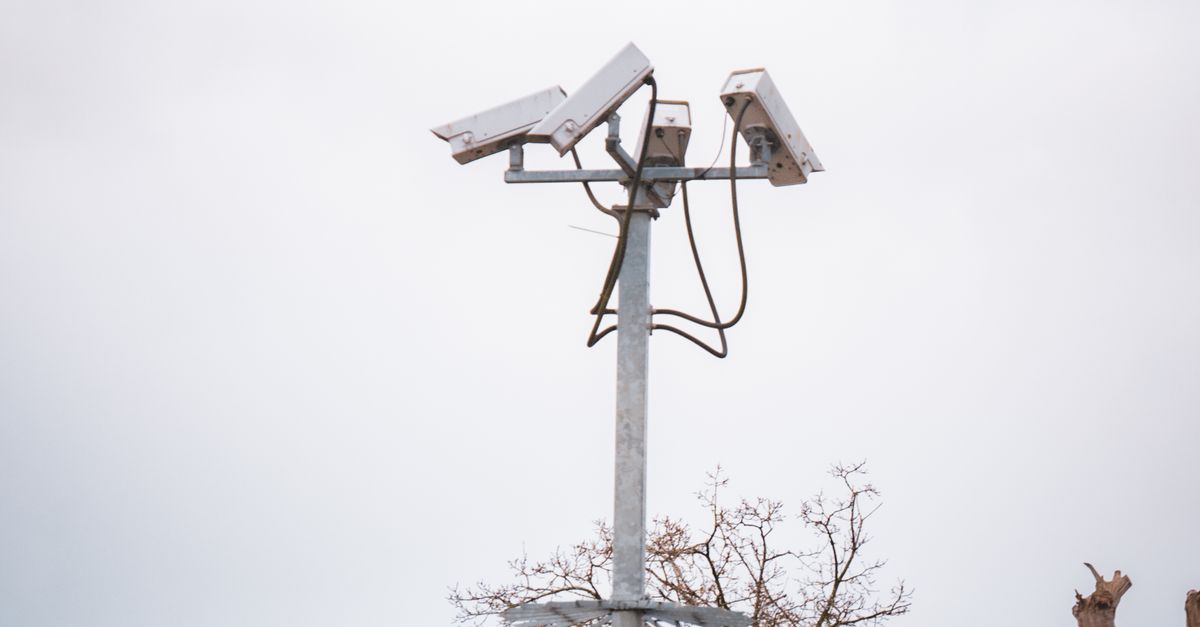
Factors to Consider When Choosing CCTV Camera Locations
Table Of Contents
Power Sources and Connectivity
Consideration of power sources is vital when installing CCTV cameras. Depending on the camera type, you can choose between wired and wireless options. Wired cameras typically require access to an electrical outlet, which may necessitate additional cabling. In contrast, wireless models often rely on battery power or solar energy solutions. However, ensure that any batteries are easily accessible for maintenance and replacement.
Connectivity options are equally important for ensuring effective surveillance. Most cameras connect via Wi-Fi, allowing for remote access and monitoring through a mobile app or web portal. Alternatively, some systems utilise Ethernet cables for a more stable connection, reducing the risk of signal interference. Assess the location’s infrastructure to determine the best method for your installation, considering both placement and network availability.
Ensuring Consistent Functionality
A reliable power source is crucial for the uninterrupted operation of CCTV systems. Each camera must be connected to a consistent power supply to avoid downtime. This might involve tapping into existing electrical circuits or considering alternative power solutions such as battery backups or solar panels. Regular maintenance checks are advisable to ensure connections remain secure and to proactively address any potential issues.
Connectivity to a stable network enhances the functionality of CCTV cameras, especially those that are IP-based. Wired connections tend to offer greater reliability and speed compared to wireless options, which can be affected by interference. For cameras using Wi-Fi, positioning them closer to the router can help maintain good connectivity. It is also essential to monitor bandwidth usage, as overcrowded networks can hinder video streaming quality.
Angles and Field of View
The effectiveness of CCTV cameras heavily relies on their angles and field of view. It's essential to position cameras in a way that maximises coverage of critical areas while minimising blind spots. A wide-angle lens can capture a broader scene, making it ideal for monitoring large spaces such as parking lots or open areas. However, for specific points of interest like entrances or windows, a narrower field may be more suitable to ensure details are captured clearly.
Selecting the right mounting height also plays a significant role in a camera's performance. Higher placements can deter vandalism while providing a wider view, but they might sacrifice detail at closer range. Conversely, lower mounting can enhance image clarity for identifying individuals but may offer a limited view of the surroundings. Evaluating the layout of the area is crucial for determining the optimal balance between coverage and detail needed for effective surveillance.
Selecting the Right Lens for Your Needs
The choice of lens can significantly affect the effectiveness of a CCTV system. Different lenses provide varying fields of view and levels of zoom, which can be critical depending on the surveillance requirements. A wide-angle lens captures more area, making it suitable for covering large spaces like parking lots or open offices. In contrast, a telephoto lens is better suited for tighter spaces or when detailed identification over greater distances is needed, allowing you to focus on specific points of interest.
Additionally, factors such as lighting conditions and the distance from the camera to the subject must be considered when selecting a lens. Low-light environments may benefit from lenses that have larger apertures, allowing more light to enter. For outdoor applications, a lens with weatherproofing features can help maintain clarity and functionality despite changing conditions. Understanding these aspects will ensure the chosen lens aligns closely with your security objectives, providing the best possible surveillance coverage.
Privacy Considerations
The placement of CCTV cameras raises important privacy concerns, particularly in residential areas. Individuals have the right to expect a certain level of privacy in their homes and outdoor spaces. Surveillance cameras positioned inappropriately can lead to invasions of privacy, which may be distressing for both the occupants and their neighbours. It is crucial to assess the areas that will be monitored and ensure that the cameras do not capture recordings of private spaces where people have a reasonable expectation of privacy.
Legal implications also dictate how and where cameras can be installed, necessitating a thorough understanding of local regulations. Many regions impose restrictions on surveillance equipment, especially regarding public areas versus private property. Compliance with these laws is essential to avoid potential legal ramifications. Engaging with local authorities or legal advisors can provide clarity on what is permissible and help establish appropriate signage if cameras are used in public areas, ensuring that everyone is informed about the surveillance in place.
Understanding Legal Implications
The deployment of CCTV cameras brings about significant legal challenges that must be carefully navigated. Surveillance laws vary across Australia, with different regulations applicable at both state and federal levels. It is essential to understand the implications of the Privacy Act 1988 and other local privacy laws, which dictate the conditions under which monitoring can occur. Consent requirements may apply, particularly when recording in areas where individuals have a reasonable expectation of privacy. Failing to comply with these laws can lead to substantial penalties and damage to an organisation’s reputation.
Knowledge of these legal frameworks is crucial as they not only protect individuals but also guide businesses in their surveillance practices. Clear signage indicating the presence of CCTV can help mitigate privacy concerns and demonstrate compliance. Additionally, organisations should establish robust policies that address the handling and storage of recorded footage to ensure that they meet legal obligations. By proactively addressing these aspects, businesses can implement effective surveillance solutions while safeguarding privacy rights.
FAQS
What are the key factors to consider when choosing CCTV camera locations?
Key factors include power sources and connectivity, angles and field of view, privacy considerations, and understanding legal implications.
How important is the angle and field of view for CCTV cameras?
The angle and field of view are crucial as they determine the area that can be monitored effectively. Selecting the right lens and positioning the camera correctly can maximise coverage and minimise blind spots.
What should I consider regarding power sources for CCTV cameras?
It's essential to ensure that cameras have reliable power sources, whether through direct wiring, batteries, or PoE (Power over Ethernet). Consistent functionality relies on stable power and connectivity.
Are there legal implications to consider when installing CCTV cameras?
Yes, it’s important to understand privacy laws and regulations governing surveillance in your area. This includes where cameras can be placed and how footage can be used, particularly in public spaces.
How can I ensure that my CCTV system functions consistently?
Regular maintenance and checks on the camera's power supply, connectivity, and positioning can help maintain consistent functionality. Additionally, using weather-resistant equipment in outdoor settings is advisable.
Related Links
Techniques for Conducting a Visual Inspection for CCTV InstallationsHow to Identify Vulnerable Areas for CCTV Surveillance
Collaborating with Local Authorities for CCTV Installation Permissions
The Role of Environmental Factors in CCTV Placement
Assessing Lighting Conditions for Effective CCTV Operation
Understanding the Importance of Site Assessment in CCTV Security