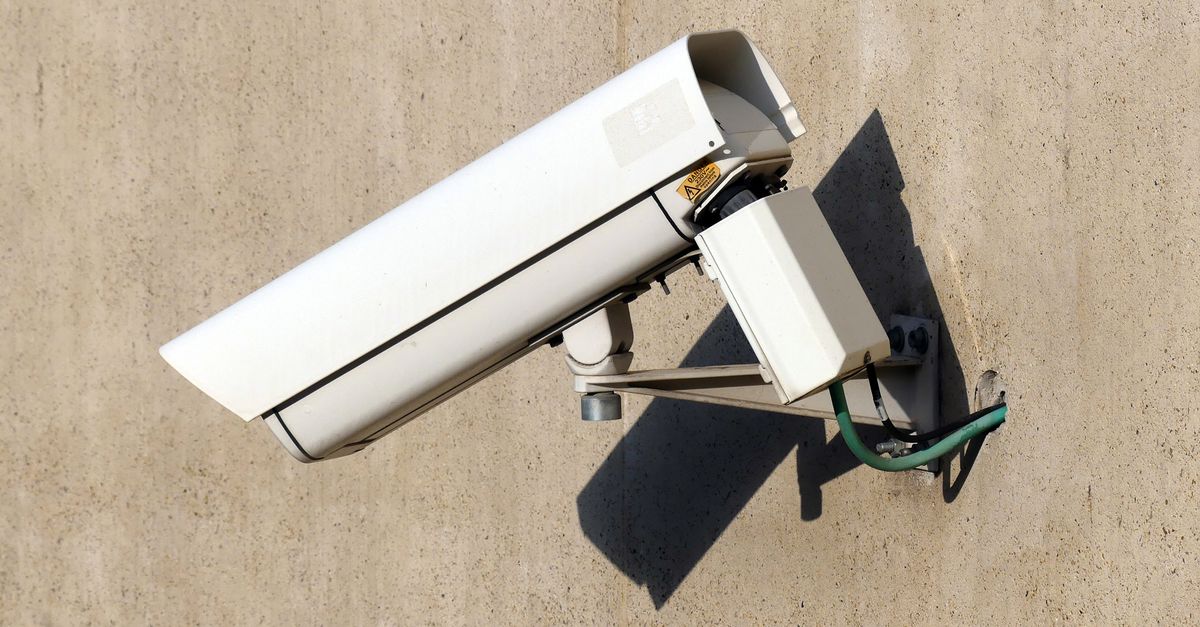
PTZ Camera Mounting Techniques for Versatile Surveillance
Table Of Contents
Optimal Camera Positioning
Positioning a PTZ camera effectively is crucial for achieving comprehensive surveillance coverage. Elevation plays a key role; mounting cameras at higher points often allows for wider field views. In addition, considering the physical environment is essential. Obstacles such as trees, poles, or buildings can create blind spots. Assessing these factors ensures an unobstructed line of sight, maximising the camera’s potential.
Accurate angling of the camera directly impacts its ability to track motion and capture clear images. Careful calibration is necessary to position the camera to follow areas of interest. For regions with established pathways or entrances, aligning the camera to monitor these zones can enhance security. Regular evaluation of the camera's placement should be part of ongoing maintenance, making adjustments as needed to adapt to any changes in the surroundings.
Angles and Heights for Maximum Coverage
Selecting the right angle and height for a PTZ camera is crucial to ensure optimal surveillance coverage. Cameras should be mounted at a height that balances visibility and security, typically between three to five metres. This elevation allows the camera to capture a larger field of view while minimising the risk of tampering. Angling the camera correctly further enhances its effectiveness, ensuring that it can adequately monitor high-traffic areas while avoiding obstructions like trees, walls, or signage that could limit sightlines.
For maximum effectiveness in surveillance, it's important to consider the specific environment in which the camera will operate. Areas with dynamic activity may benefit from a more downward angle, capturing movements clearly while avoiding blind spots. In contrast, surveillance of larger spaces, such as parking lots or open areas, might require a wider horizontal angle to maximise breadth of coverage. Regular evaluation of these parameters contributes significantly to maintaining effective security measures.
Adjusting Camera Settings Post-Mounting
After securely mounting a PTZ camera, the next critical step involves adjusting the settings to ensure optimal performance. The focus should be on configuring resolution, frame rate, and bit rate to match the surveillance requirements. Higher resolution settings provide clearer images, but they also demand more storage and bandwidth. Selecting an appropriate frame rate balances image quality with system performance, allowing for smooth video playback without overwhelming the network.
Another essential aspect is to fine-tune the camera's field of view. This can include adjusting the zoom level and pan-tilt settings to cover specific areas of interest. Enabling features like motion detection and setting up notifications can enhance the camera's effectiveness. Users should also consider configuring the night vision settings if the surveillance area requires 24/7 monitoring, ensuring visibility in low-light conditions.
Fine-Tuning for Enhanced Surveillance
After mounting a PTZ camera, adjusting its settings is crucial for optimising surveillance. Focus on fine-tuning aspects like resolution, frame rate, and exposure to suit the specific environment. Conditions such as lighting can affect image clarity, so consider enabling features like Wide Dynamic Range (WDR) if available. This setting helps balance bright and dark areas, ensuring a clearer image.
Additionally, define the camera's field of view to eliminate blind spots. Zoom levels play an essential role, so adjust the zoom function to capture vital details without losing sight of the broader scene. Experimentation may be necessary to achieve the ideal balance between close-up clarity and comprehensive coverage. Regularly reassessing these settings will help maintain high-quality video output over time.
Maintenance Best Practices
Regular maintenance of PTZ cameras is crucial to ensure optimal performance. Start by routinely inspecting the camera lenses for any dirt, dust, or debris that may obstruct the view. Use a soft, lint-free cloth to gently clean the lens, preventing scratches that could degrade image quality. It's also important to check the housing for any signs of wear or damage, especially in outdoor setups where environmental factors can take a toll. Assess the mounting hardware periodically to ensure that it has not loosened over time, which could compromise the camera's stability.
Electrical connections and power supplies should be examined regularly to avoid downtime. Ensure that all cables are secure and free from any fraying or damage. Keeping an eye on the software or firmware updates is another vital aspect of maintenance. Regular updates can enhance functionality and security features, improving the overall reliability of the surveillance system. Additionally, consider scheduling routine tests to verify the camera's operation and field of view, allowing for any adjustments needed to maintain effective monitoring.
Regular Checks to Ensure Functionality
Routine inspections of PTZ cameras are essential to maintain high performance. Verifying the camera’s positioning ensures it captures the intended areas without obstructions. Checking for any physical damage, such as scratches on the lens or loose mount fittings, is crucial for image quality.
It is also important to assess the functionality of the camera's pan, tilt, and zoom features. Regular software updates can enhance performance and add new features. Ensuring that the camera is connected to a stable power source and network stability is vital for uninterrupted surveillance. These simple yet effective practices will help ensure that the surveillance system operates optimally.
FAQS
What is a PTZ camera?
A PTZ camera, or Pan-Tilt-Zoom camera, is a type of surveillance camera that can be remotely controlled to pan, tilt, and zoom in on specific areas for a comprehensive view of the monitored space.
What are the best angles for mounting a PTZ camera?
The best angles for mounting a PTZ camera typically depend on the specific area being monitored, but aiming for a height that provides a clear view while avoiding obstructions, and ensuring a wide field of vision, generally yields optimal results.
How do I adjust the settings on my PTZ camera after mounting it?
After mounting, you can adjust the camera settings using the camera's software or control system, where you can fine-tune parameters such as zoom levels, focus, and preset positions to enhance surveillance capabilities.
How often should I perform maintenance on my PTZ camera?
Regular maintenance checks should be conducted at least once every few months to ensure functionality, but more frequent checks may be necessary in harsh environments or in high-traffic areas.
What should I include in my maintenance routine for a PTZ camera?
Your maintenance routine should include cleaning the lens, checking for any obstructions, testing the pan, tilt, and zoom functions, and ensuring that all connections are secure for optimal performance.
Related Links
Evaluating Mounting Options for C-Mount CamerasMounting Bullet Cameras for Enhanced Security
Importance of Angle and Direction in CCTV Camera Mounting
Wireless Camera Mounting Considerations for Perth Homes
Considerations for Outdoor CCTV Camera Placement in Australia
Indoor Mounting Solutions for Maximum Coverage
Best Practices for Securely Mounting dome Cameras
Choosing the Right Mounting Surface for Your CCTV System
Optimal Mounting Heights for CCTV Cameras in Perth