Choosing the Right Mounting Surface for Your CCTV System
Table Of Contents
Evaluating Visibility and Surveillance Range
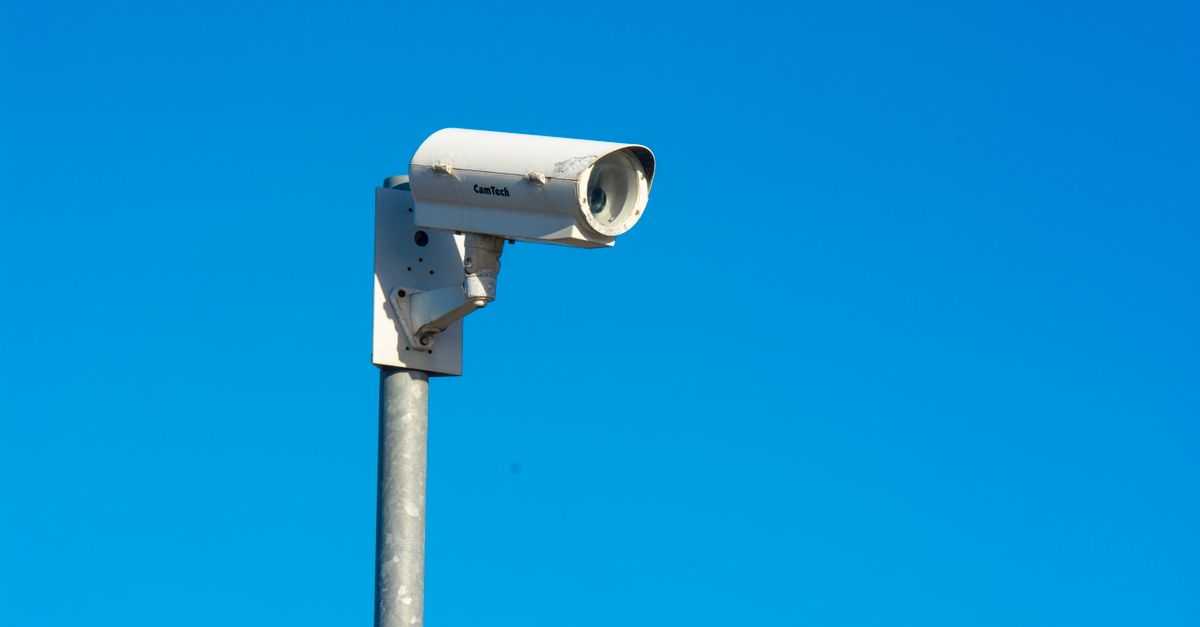
Choosing an appropriate mounting surface for a CCTV system requires careful consideration of the visibility and surveillance range. High-quality cameras can only perform optimally if positioned to capture the desired area effectively. Factors such as the camera's field of view, the distance to the target zone, and any potential obstructions play a significant role in determining an effective location. Elevated positions typically offer better visibility, allowing for a wider coverage area, while ensuring key locations remain in focus.
The angle and height of the camera also influence its ability to monitor activities effectively. A lower placement might capture specific details, but it risks missing broader movements in the vicinity. Conversely, too high of a mounting position may lead to a loss of detail due to distance. Evaluating the surrounding environment and selecting a surface that maximises both visibility and range enhances the overall effectiveness of the surveillance system. Consideration must also be given to how lighting conditions may impact the camera’s performance at different times of the day.
Optimal Heights for Effective Coverage
Selecting the right height for your CCTV cameras is crucial to maximise their effectiveness. Generally, mounting cameras between 2.5 to 3.5 metres from the ground allows for a broader field of view while minimising the risk of tampering. This height helps capture clear facial details and provides a clear view of individuals. Certain environments may require adjustments based on factors like obstacles or specific surveillance needs.
In spaces with high ceilings, such as retail stores or warehouses, angled mounts may be necessary to ensure that the camera maintains focus on critical areas. For outdoor installations, mounting heights should account for potential vandalism. In these cases, opting for a height that is out of reach can deter tampering while ensuring the camera continues to deliver quality footage. Each location has unique requirements that must be evaluated to achieve optimal surveillance effectiveness.
Impact of Local Regulations
Local regulations play a crucial role in determining where and how CCTV systems can be installed. Authorities may impose restrictions on the placement of cameras to protect individual privacy and ensure public safety. Guidelines often stipulate that cameras should not overlook private properties without consent. These regulations may vary significantly between different municipalities, making it essential for homeowners and businesses to familiarise themselves with specific local laws before installation.
Compliance with these regulations is not just a matter of ethics; it can also impact the legal standing of any collected footage. Failure to adhere to the established rules could lead to fines or legal challenges. Engaging with local councils or authorities can provide clarity on permissible practices. Understanding the requirements ensures that your CCTV setup is both effective and legally compliant, safeguarding your investment and peace of mind.
Complying with CCTV Installation Guidelines
Local regulations can vary significantly between regions, influencing how CCTV systems must be installed. Familiarity with these regulations helps ensure that installations are compliant. Specific guidelines may dictate where cameras can be mounted, the type of equipment allowed, and even the necessary signage to inform the public about surveillance activities.
Many councils require adherence to privacy laws, which govern the recording of individuals in public and private spaces. Documentation of usage policies can be a requirement, ensuring that data management complies with legislation. Ignoring these guidelines may lead to fines or mandates to remove equipment, making it crucial to stay informed about local laws before proceeding with installation.
Recommended Tools for Installation
Choosing the right tools is crucial for a successful CCTV installation. Drills, appropriate screws, and wall anchors ensure secure mounting on various surfaces. Using a stud finder can help locate solid points in the wall, providing added stability for your cameras. An adjustable wrench may also be handy for securing brackets and ensuring everything is firmly in place.
Having a reliable level is essential for maintaining proper alignment and avoiding any tilted camera angles. Cable management tools can help in organising and securing wires, contributing to a neat and professional appearance. Finally, a good set of safety equipment, including gloves and goggles, protects against potential hazards during the installation process.
Essential Equipment for Secure Mounting
When installing a CCTV system, having the right tools is crucial to ensure secure mounting. A sturdy drill with appropriate drill bits will help create the necessary holes in various types of surfaces, from brick to concrete. Additionally, wall anchors or screws specifically designed for heavy-duty use provide extra support, preventing cameras from becoming dislodged over time. A spirit level assists in achieving precise alignment, which is important for the camera's visibility and functionality.
Tools such as a ladder will allow you to reach high mounting locations safely. A measuring tape ensures accurate placement, while a screwdriver set enables easy adjustments during installation. Choosing weather-resistant enclosures or mounting brackets can protect the equipment from environmental factors. Together, these essential tools contribute to a reliable and effective CCTV installation.
FAQS
What factors should I consider when evaluating visibility and surveillance range for my CCTV system?
When evaluating visibility and surveillance range, consider the area you want to monitor, the distance from the camera to key points of interest, and any potential obstructions such as trees, buildings, or signage that may block the view.
What is the optimal height for mounting CCTV cameras to ensure effective coverage?
The optimal height for mounting CCTV cameras typically ranges from 2.5 to 3.5 metres above the ground. This height allows for a wide coverage area while minimizing the risk of vandalism and ensuring facial recognition capabilities.
How do local regulations impact CCTV installation?
Local regulations can dictate where and how CCTV systems can be installed, including restrictions on camera placement and privacy considerations. It is essential to check with local authorities to ensure compliance with any laws or guidelines before installation.
What are the key guidelines for complying with CCTV installation regulations?
Key guidelines for compliance include ensuring that cameras do not infringe on privacy rights, notifying individuals that they are being recorded, and adhering to specific installation heights and locations as prescribed by local laws.
What tools and equipment are recommended for the installation of CCTV systems?
Recommended tools for CCTV installation include a drill, screwdriver, cable cutters, and a level. Essential equipment for secure mounting includes brackets, anchors, and weatherproof housing for outdoor cameras to ensure durability and stability.
Related Links
Best Practices for Securely Mounting dome CamerasOptimal Mounting Heights for CCTV Cameras in Perth
Importance of Angle and Direction in CCTV Camera Mounting
Wireless Camera Mounting Considerations for Perth Homes
Evaluating Mounting Options for C-Mount Cameras
PTZ Camera Mounting Techniques for Versatile Surveillance
Mounting Bullet Cameras for Enhanced Security