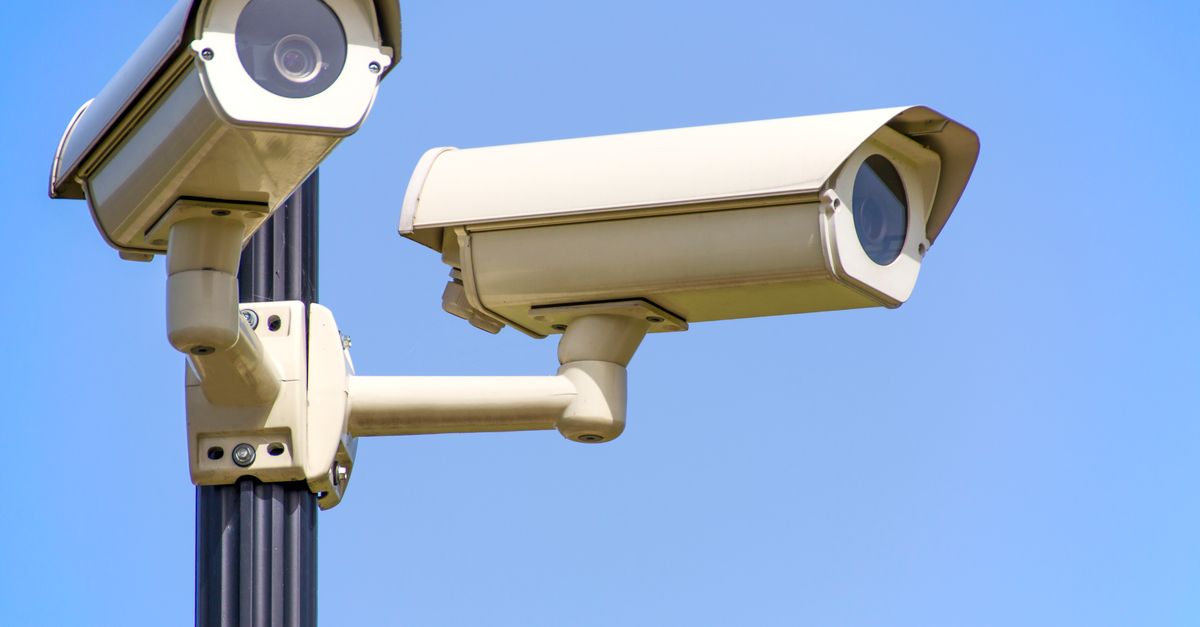
Understanding the Range and Resolution of Bullet Cameras
Table Of Contents
Comparing Analogue and Digital Bullet Cameras
Analogue bullet cameras have long been a reliable choice for surveillance, offering a straightforward setup with minimal configuration. They typically use coaxial cables for transmission, which can introduce limitations in terms of distance and image quality. The resolution of these cameras often ranges from standard definition to a modest high definition, which can constrain their effectiveness in environments requiring fine detail.
In contrast, digital bullet cameras have gained prominence due to their superior technology, delivering higher resolutions and clearer images. They utilise IP networks, allowing for greater transmission distances without loss of quality. The flexibility of digital camera systems enables integration with various software solutions, enhancing capabilities like remote access and intelligent video analytics. This evolution in technology represents a significant leap forward, catering to the growing demands for high-quality surveillance.
How Each Type Affects Range and Resolution
Analogue bullet cameras utilise traditional video signals, leading to certain limitations in their range and resolution capabilities. The resolution typically peaks at standard definition, creating challenges when it comes to identifying fine details from a distance. However, they can deliver good performance in controlled lighting environments, making them suitable for specific applications.
Digital bullet cameras, on the other hand, leverage modern technologies such as high-definition imaging and advanced compression methods. These cameras often support resolutions that reach full HD or even 4K, significantly enhancing clarity and detail over extended distances. Equipped with features like digital zoom and smart analytics, digital models can adapt more effectively to varying conditions, providing versatility across different scenarios.
Real-World Applications of Bullet Cameras
Bullet cameras have become integral to a variety of industries due to their versatility and effectiveness in enhancing security. In retail environments, these cameras help deter theft and monitor customer behaviour, providing valuable insights for both safety and marketing strategies. Additionally, they are commonly used in outdoor settings for perimeter security, allowing businesses and facilities to keep an eye on vast areas with minimal blind spots.
In the transportation sector, bullet cameras play a crucial role in monitoring traffic flow and ensuring safety on the roads. They are often installed on public transport vehicles and at intersections, providing real-time footage for traffic management and accident analysis. Within the residential sphere, homeowners increasingly utilise these cameras to enhance security around their properties, ensuring peace of mind through surveillance.
Use Cases Across Various Industries
Bullet cameras find application in numerous industries, each leveraging their capabilities to enhance security and monitoring. In retail, stores employ these cameras for loss prevention and to monitor customer behaviour. The ability to capture clear images in various lighting conditions aids retailers in creating a secure shopping environment while also analysing foot traffic patterns for improved store layouts.
In the transportation sector, bullet cameras play a critical role in ensuring safety and security. Bus companies and train stations install these devices to deter criminal activity and monitor passenger behaviour. Their durability and weatherproof characteristics make them suitable for outdoor installations. Furthermore, roadside bullet cameras assist in traffic management and law enforcement, providing real-time footage that helps address incidents swiftly and efficiently.
Choosing the Right Bullet Camera for Your Needs
When selecting a bullet camera, it’s essential to assess the specific requirements based on the intended application. Consider factors such as the area to be monitored, lighting conditions, and any potential obstructions that could impact the camera's effectiveness. Range plays a significant role in determining how well the camera can capture clear images or video over distances. Higher resolution cameras provide more detailed images, which can be crucial for identifying faces or reading license plates from afar.
Evaluating the available features is equally important. Some cameras offer additional functionalities, such as night vision or motion detection, which can enhance their effectiveness in varied environments. It is also wise to think about the installation and maintenance aspects. A camera that is easy to install and maintain can save time and resources in the long run. Ultimately, aligning your choice with the specific needs of your security setup will ensure optimal performance and reliability.
Considerations for Range and Resolution
When selecting a bullet camera, the desired range and resolution are crucial factors that significantly influence image quality and surveillance effectiveness. High resolution allows for clear identification of objects, while the range determines how far the camera can effectively monitor. A camera with lower resolution may not capture fine details, making it difficult to identify faces or license plates, especially over longer distances. Conversely, a high-resolution camera may require more bandwidth and storage, which can impact system performance depending on the setup.
Environmental conditions also play a significant role in determining the optimal camera specifications. Low-light scenarios may necessitate cameras with enhanced night vision capabilities or infrared technology, impacting the choice of resolution and range. Understanding the intended operational environment helps in selecting a bullet camera that not only meets resolution demands but also performs reliably at the required distance, ensuring surveillance needs are effectively addressed.
FAQS
What is the difference between analogue and digital bullet cameras?
Analogue bullet cameras transmit video signals through coaxial cables, often resulting in lower resolution but simpler installation. Digital bullet cameras, on the other hand, use IP networks for higher resolution and more advanced features such as remote access and motion detection.
How does the range of a bullet camera affect its performance?
The range of a bullet camera determines how far it can effectively capture images or video. A longer range is beneficial for monitoring large areas, while a shorter range may be sufficient for smaller, contained environments.
What factors influence the resolution of bullet cameras?
The resolution of bullet cameras is influenced by the sensor quality, lens specifications, and encoding technology. Higher resolution cameras provide clearer and more detailed images, which are crucial for identifying faces or license plates.
Can bullet cameras be used in various weather conditions?
Yes, many bullet cameras are designed to withstand various weather conditions. Look for cameras with weatherproof or IP66 ratings to ensure they can operate effectively in rain, snow, or extreme temperatures.
What considerations should I keep in mind when choosing a bullet camera?
When choosing a bullet camera, consider factors like the required range, resolution, lighting conditions, and whether you need additional features such as night vision, motion detection, or remote access capabilities.
Related Links
How to Choose the Right Bullet Camera for Your PropertyKey Considerations When Purchasing Bullet Cameras
Bullet Camera Accessories for Enhanced Functionality
Integrating Bullet Cameras with Alarm Systems
Weather Resistance Features of Bullet Cameras