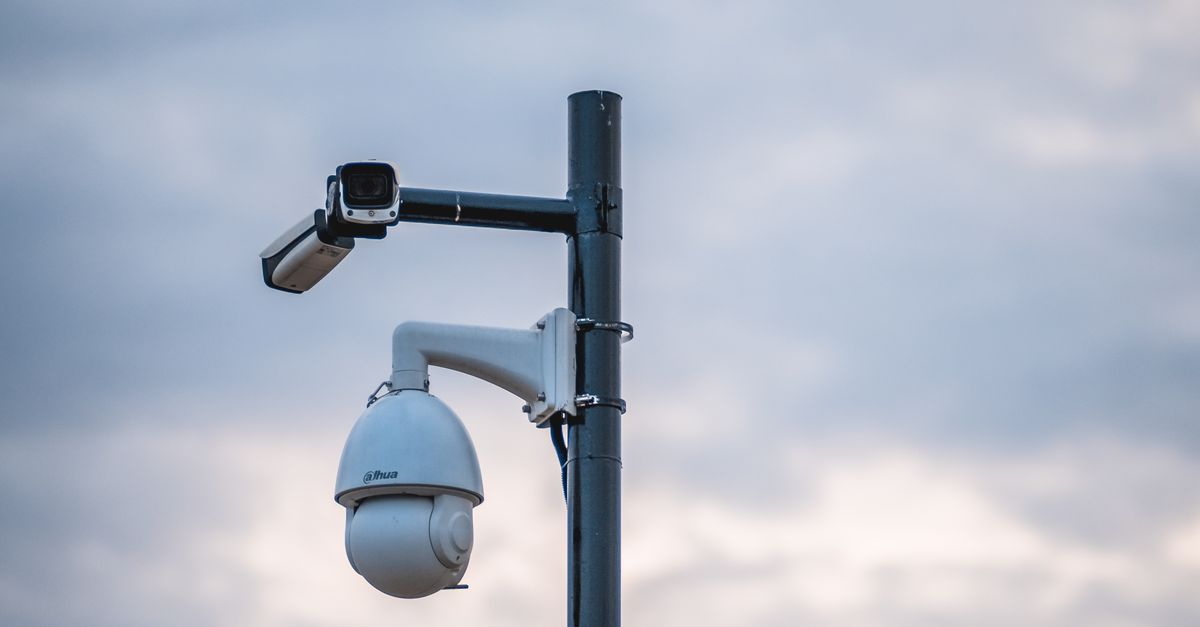
Key Features to Look for in PTZ Cameras
Table Of Contents
User Control Options
The ability to control a PTZ camera can significantly enhance its usability for various applications. Users should consider how they can manipulate the camera via a remote control or a dedicated app. Remote controls often provide a tactile interface for instant adjustments, making them ideal for quick responses. Alternatively, some systems integrate with smartphone applications, allowing for control from anywhere, which can be especially useful for monitoring large areas or hard-to-reach placements.
Automated functions can complement user control options by enabling pre-set paths or behaviours. This feature allows cameras to follow set routines without manual input, which is particularly beneficial in security contexts. Moreover, advanced systems may offer options for motion tracking, automatically adjusting the camera's focus as subjects move within the frame. A combination of manual control and automation can provide flexibility, catering to both immediate needs and long-term monitoring strategies.
Remote Control vs. Automated Functions
Remote control options provide users with the flexibility to manage their PTZ cameras in real-time. By using remote controls or mobile applications, operators can pan, tilt, and zoom the camera to capture specific areas of interest. This hands-on approach is particularly useful for those who need immediate visual confirmation or surveillance control, such as security personnel monitoring live feeds.
Automated functions offer an alternative that enhances convenience and efficiency. With preset positions and scheduled recordings, users can allow the camera system to operate independently without constant manual input. Features like auto-tracking can also ensure that moving subjects remain in focus, adding an extra layer of security without the need for continual attention from operators. This blend of automation and manual control enables tailored surveillance strategies to meet diverse needs.
Connectivity Features
PTZ cameras come with various connectivity options, allowing them to integrate seamlessly into existing security systems. Wired connections, such as Ethernet, offer stable and high-speed data transfer while ensuring that power is delivered consistently. This method is ideal for high-demand settings where uninterrupted performance is crucial. However, the requirement for cabling can limit flexibility in camera placement, particularly in large or complex spaces.
Wireless options offer greater versatility, making it easy to install cameras in hard-to-reach areas without the hassle of routing cables. Wi-Fi and cellular connectivity allow for broader coverage and the ability to reposition cameras as needed. It is important to ensure that the chosen wireless technology provides sufficient bandwidth for video streaming and maintains a strong signal to minimise interruptions. This flexibility is particularly beneficial for both residential and commercial users seeking efficient surveillance solutions.
Wired vs. Wireless Options
When selecting a PTZ camera, connectivity plays a crucial role in its functionality and installation. Wired options generally offer a more stable connection, ensuring uninterrupted video feeds and minimal latency. They are often more secure, as physical connections make hacking attempts more challenging. Installation can be more complex, requiring the routing of cables and sometimes professional assistance. However, these systems can provide superior performance in environments where reliability is essential.
On the other hand, wireless PTZ cameras provide greater flexibility in terms of placement. Users can easily move them or install them in locations without access to power outlets or ethernet cables. However, they can be susceptible to interference from other wireless devices and may experience reduced video quality due to signal degradation. Setting up a wireless system may also require careful consideration of the network's strength and coverage. Each option has its merits, making it essential to assess the specific requirements of the surveillance project.
Motion Detection Technology
Modern PTZ cameras come equipped with advanced motion detection technology, which enhances security and surveillance capabilities. This feature enables the camera to identify movement within its field of view, activating recording functions or sending alerts to the user. Different models utilise various types of sensors and algorithms, which can differentiate between human movement and other disturbances, reducing false alarms. The precision of these systems plays a crucial role in monitoring high-traffic areas or specific zones of interest.
Custom alerts and notifications are integral to the effectiveness of motion detection features. Users can tailor settings to suit their particular needs, receiving instant updates via their smartphones or other devices when activity is detected. This allows for immediate action in response to potential threats, providing peace of mind. Advanced models even offer cloud integration, ensuring that recorded footage and alerts can be accessed remotely, enhancing the versatility and utility of these cameras in various environments.
Custom Alerts and Notifications
The capability to set custom alerts enhances the utility of PTZ cameras significantly. Users can tailor notifications based on specific movements or activities, allowing them to monitor particular areas of interest. For instance, some systems can alert users when motion occurs in predefined zones, such as entry points or sensitive locations. This level of personalisation ensures that users receive relevant updates rather than a constant stream of notifications.
Moreover, advanced motion detection technology often pairs with these custom alerts. Many systems now include features that distinguish between types of movement, such as people, animals, or vehicles. This differentiation enables users to filter notifications based on their preferences. By minimising false alarms, these features improve the overall effectiveness of surveillance, ensuring that users can respond promptly when genuine activity is detected.
FAQS
What are PTZ cameras?
PTZ cameras, or Pan-Tilt-Zoom cameras, are surveillance cameras that can be remotely controlled to rotate left and right (pan), tilt up and down, and zoom in on subjects, providing enhanced coverage and flexibility for monitoring areas.
What user control options should I consider when choosing a PTZ camera?
Look for cameras that offer a variety of user control options, such as remote control via a dedicated app, automated scheduling features, and preset positions to streamline monitoring and ensure coverage of key areas.
What are the advantages of wired vs. wireless PTZ cameras?
Wired PTZ cameras typically provide a more stable connection and better image quality due to less interference. Conversely, wireless PTZ cameras offer greater flexibility in installation and can be positioned in hard-to-reach areas without the need for extensive cabling.
How does motion detection technology work in PTZ cameras?
Motion detection technology allows PTZ cameras to sense movement within their field of view and trigger actions such as recording, sending alerts, or automatically adjusting the camera’s position to focus on the moving object.
Can I customise alerts and notifications on a PTZ camera?
Yes, many PTZ cameras offer customisable alert settings, allowing you to receive notifications based on specific events or movements, ensuring you stay informed about any activity in the monitored area.
Related Links
Best Practices for Positioning PTZ Cameras for Maximum CoverageAdvantages of Using PTZ Cameras for Security Surveillance
Common Applications for PTZ Cameras in Perth Businesses
Advanced Zoom Capabilities of PTZ Cameras Explained
Understanding the Control Mechanisms of PTZ Cameras
Integrating PTZ Cameras with Your Existing CCTV System
The Role of PTZ Cameras in Active Surveillance Strategies
Comparing PTZ Cameras to Other CCTV Options in Perth
How to Choose the Right PTZ Camera for Your Perth Property