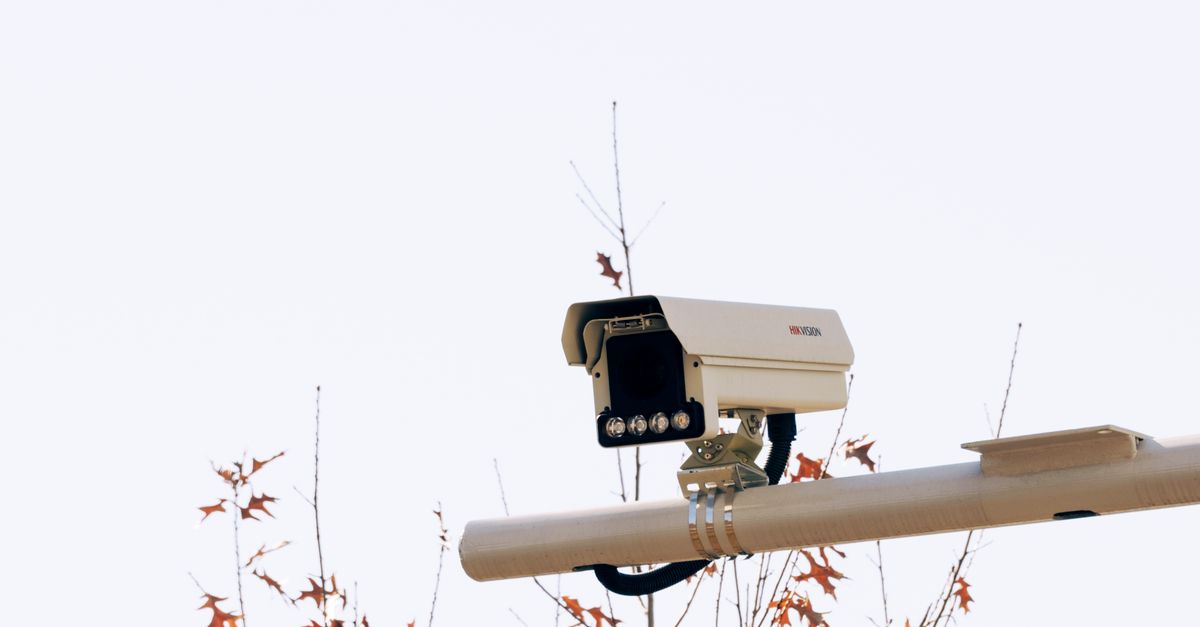
Evaluating CCTV System Performance After Installation
Table Of Contents
Evaluating Remote Access Features
Remote access capabilities are essential for maintaining a robust CCTV system. Users can monitor camera feeds from anywhere, providing peace of mind and enhanced operational flexibility. By utilizing mobile applications or web-based platforms, individuals can receive real-time updates and alerts directly on their devices. This function not only improves surveillance efficacy but also allows for immediate response in critical situations.
The reliability of remote access should be assessed through actual usage scenarios. Ensuring that the connectivity remains stable under various network conditions is crucial for effective operation. A thorough evaluation of the user interface can reveal how easily users can navigate the system. This assessment includes checking the responsiveness of the system and how effectively it integrates with other security tools.
Benefits of Mobile and Remote Connectivity
The ability to access CCTV feeds remotely is a significant advantage for users seeking enhanced security management. With mobile connectivity, users can monitor live footage from anywhere, providing peace of mind whether they are at home, at work, or travelling. This convenience encourages more proactive surveillance as users can check in on their properties at any time, reducing the likelihood of security breaches going unnoticed.
Notifications and alerts can be customised to keep users informed of any unusual activity. Immediate alerts enable rapid responses to potential threats, allowing users to take timely action even when they are away from the premises. Mobile access not only streamlines security monitoring but also fosters a more interactive approach to property safety, blending technology with user empowerment.
Testing Motion Detection Settings
Motion detection settings are a critical aspect of CCTV system functionality. Adjusting these parameters ensures that the cameras effectively capture relevant activity while minimising false alerts. During the testing phase, it is essential to assess various sensitivity levels. This involves simulating movement within the camera's field of view to observe the system's response. A balance must be struck between high sensitivity, which might lead to unnecessary alerts triggered by pets or environmental changes, and low sensitivity, which could result in missed events.
In addition to sensitivity adjustments, it is important to verify the detection zones. Customising these zones allows users to focus on specific areas, reducing the chance of false alarms from activity outside the designated area. Regular tests should be conducted to ensure that the settings remain optimal over time and adapt to changing environments. Periodic reviews of motion detection performance help maintain the system’s reliability and enhance overall security effectiveness.
Optimising Detection Sensitivity and Alerts
Adjusting detection sensitivity is crucial for ensuring effective response to genuine security threats while minimising false alarms. Many CCTV systems allow users to calibrate the motion detection settings based on specific needs and environments. Factors such as the size of the monitored area, presence of pets or moving vegetation can affect how sensitive the cameras should be. Finding the right balance enhances the system's overall performance and reduces unnecessary alerts that could lead to alarm fatigue.
Alerts should be configured to be precise and timely, ensuring that only relevant notifications are sent to the user. Options for customising alerts, such as setting up different levels of notification types based on the severity of the detected motion, can significantly aid in improving response times. Integrating the CCTV system with other security applications can further streamline alert management, allowing users to receive alerts through multiple channels, whether it be via a mobile app or email. This multi-channel approach ensures users remain informed without feeling overwhelmed by irrelevant notifications.
Checking Integration with Other Security Systems
Integration with other security systems enhances the overall effectiveness of a CCTV setup. When cameras work in concert with alarms, access control, and intercom systems, they provide a more comprehensive security solution. This interconnectedness allows for real-time monitoring and better response capabilities, creating a cohesive system that addresses various security needs.
Assessing the compatibility of the CCTV system with existing security infrastructure is essential. Users should verify that integration options are available and easy to implement. Potential challenges may arise if system components are from different manufacturers, so thorough cross-checking of specifications and supported protocols can prevent future complications. Such diligence ensures that all parts of a security setup function seamlessly together.
Enhancing Overall Security with System Interconnectivity
The integration of CCTV systems with other security measures can significantly strengthen overall safety. By connecting surveillance cameras with alarms, access control systems, and even smart home devices, users achieve a holistic approach to security. This interconnectedness allows for real-time responses to potential breaches and incidents, which enhances the effectiveness of each individual system.
When different security components communicate seamlessly, users benefit from centralised control and improved situational awareness. For example, integrating CCTV footage with alarm alerts enables quicker verification of incidents. Additionally, security personnel can monitor multiple data streams from various sources, making decision-making more efficient. This comprehensive security framework not only helps in deterring crime but also ensures a robust response to any emergencies.
FAQS
What should I check to evaluate the remote access features of my CCTV system?
To evaluate the remote access features, ensure that you can connect to the system via mobile apps or web interfaces, test the responsiveness of the live feed, and confirm that you receive timely notifications and alerts when motion is detected.
Why is mobile and remote connectivity important for CCTV systems?
Mobile and remote connectivity allow you to monitor your property in real-time from anywhere, increasing convenience and enhancing your ability to respond quickly to security incidents.
How do I test the motion detection settings on my CCTV system?
To test the motion detection settings, walk through the monitored area and observe if the camera captures your movement. Check the recorded footage to confirm that the motion detection feature is working properly.
What is the best way to optimise detection sensitivity and alerts?
Optimise detection sensitivity by adjusting the settings in your CCTV software to reduce false alarms, focusing on high-traffic areas and avoiding detection of small animals or environmental factors like trees or moving shadows.
How can I check if my CCTV system integrates well with other security systems?
Verify integration by exploring whether your CCTV system can communicate with alarms, access control systems, or other security devices. Test functionality such as triggering alarms based on camera detection or receiving alerts across platforms.
Related Links
Methods for Conducting Effective CCTV Quality AssessmentsCommon Testing Techniques for CCTV Camera Systems
Comprehensive Guide to Post-Installation CCTV Evaluation
Strategies for Identifying Issues During CCTV Testing
Importance of Testing CCTV Cameras in Diverse Environments