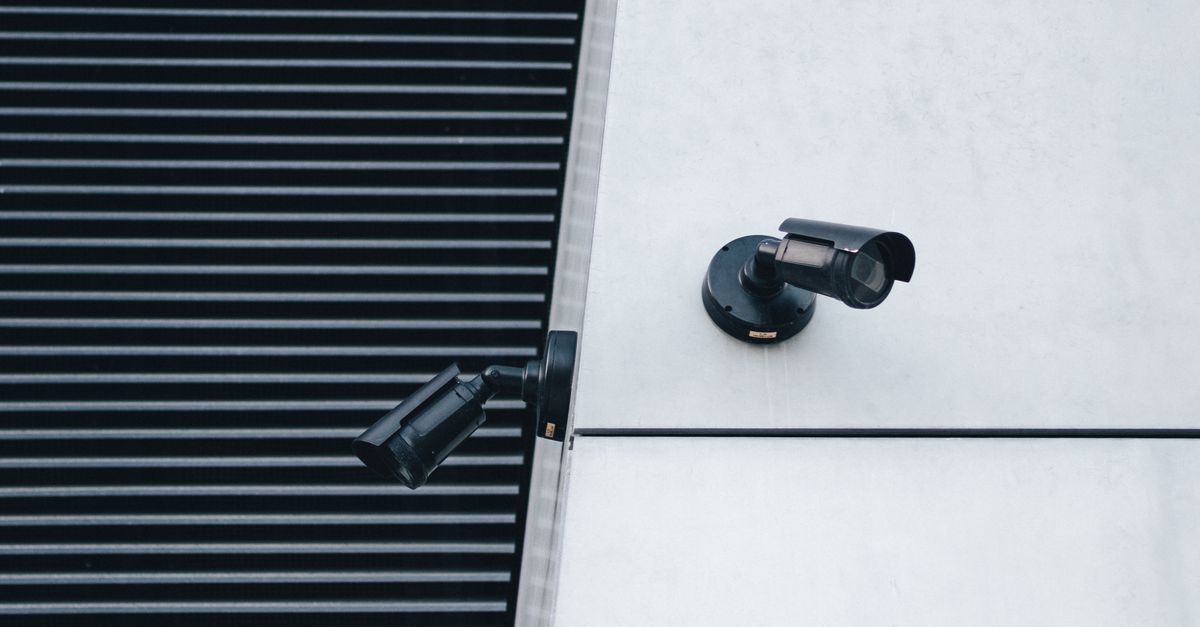
Enhancing Security Features: Replacing Legacy CCTV Cameras
Table Of Contents
Enhancing Data Security with Modern CCTV
Upgrading to modern CCTV systems significantly boosts data security through advanced features. These systems often incorporate end-to-end encryption, ensuring that footage remains protected from unauthorised access both during transmission and while stored. Compared to legacy systems, contemporary models offer better protection against cyber threats. They include built-in security protocols that define user permissions and make remote access more secure.
Moreover, features such as motion detection and alerts enhance responsiveness to potential security breaches. Integrated analytics can scrutinise recorded footage for suspicious behaviour, allowing for proactive measures. This evolution in technology empowers organisations to maintain tighter surveillance over their assets, ultimately reducing vulnerabilities associated with outdated equipment.
How Encryption Protects Surveillance Footage
Surveillance footage contains sensitive information that can be exploited if accessed by unauthorised individuals. To safeguard this data, encryption serves as a fundamental solution. By transforming footage into a code, encryption ensures that only those with the correct decryption keys can view the content. This makes it significantly more difficult for malicious actors to intercept or manipulate the footage, enhancing overall data integrity and confidentiality.
In addition to protecting against unauthorised access, encryption also addresses concerns over data tampering. Any modifications to encrypted footage can be easily detected, which is crucial for maintaining trust in security systems. When organisations implement robust encryption protocols, they not only uphold their responsibilities to protect user privacy but also bolster their defence against cyberattacks. This approach fosters a secure environment where sensitive information remains safeguarded while still being accessible to legitimate users.
Implementing Remote Monitoring Capabilities
The integration of remote monitoring capabilities into modern surveillance systems provides unprecedented flexibility and control for security personnel. Users can access real-time video feeds from various devices, including smartphones and tablets, enabling immediate responses to security incidents. This ability to monitor critical areas from remote locations enhances situational awareness and ensures that potential threats are addressed promptly.
Moreover, these capabilities facilitate the efficient management of multiple sites, especially for businesses with multiple locations. Implementing features such as motion detection alerts and automated notifications further streamlines the monitoring process. With robust remote access, operators can maintain a constant watch over premises, even while off-site, ultimately leading to improved security outcomes and enhanced peace of mind for users.
Advantages of Cloud-Based Surveillance Systems
Cloud-based surveillance systems offer flexibility that traditional setups cannot match. Users can access live feeds and recorded footage from any device connected to the internet. This capability eliminates the need for on-site monitoring and allows for real-time decision-making from anywhere in the world. Additionally, storing footage in the cloud reduces the risk of data loss that can occur with local storage options.
Scalability is another key benefit of cloud-based systems. Businesses have the option to expand their surveillance capabilities without significant upfront investment in hardware. New cameras can be added as needed, and the system can grow alongside the organisation. Enhanced cybersecurity measures often included with cloud solutions also provide peace of mind, safeguarding data against unauthorised access.
Ensuring Compliance with Privacy Regulations
Surveillance systems play a crucial role in maintaining security, yet they must operate within the framework of privacy laws. In Australia, regulations such as the Privacy Act 1988 govern how personal information, including images captured by CCTV, can be collected, used, and disclosed. It is essential for organisations to conduct thorough assessments of their surveillance needs and ensure that their cameras are installed in compliance with these legal guidelines. This requires a clear understanding of where cameras can be positioned, particularly in areas where individuals might have a reasonable expectation of privacy.
Adopting a policy that prioritises the protection of individuals’ privacy is also important. Transparent signage indicating the presence of CCTV cameras can help viewers understand their rights while reinforcing the purpose of surveillance. Additionally, implementing data retention protocols can further enhance compliance. This entails establishing guidelines on how long footage is stored and ensuring that it is securely deleted after its intended use. By adhering to these regulations, organisations can build trust with the public while effectively securing their premises.
Understanding Legal Requirements for CCTV Installation
Before installing CCTV systems, it is essential to understand the legal frameworks governing surveillance in Australia. Different states and territories may have specific regulations that dictate where cameras can be installed and how footage can be used. Under the Privacy Act 1988, individuals must be informed that they are being recorded, and businesses should have clear privacy policies in place. Public spaces typically have fewer restrictions, but private property CCTV can raise concerns regarding the potential infringement of personal privacy.
Beyond compliance with privacy laws, those installing CCTV must also consider the rules surrounding data retention and access control. Footage collected from surveillance systems should not be retained longer than necessary and should be securely stored to prevent unauthorised access. Regular audits and proper training for personnel managing the CCTV footage can help mitigate the risk of non-compliance. By adhering to these legal requirements, businesses can protect themselves from legal repercussions while ensuring ethical practices in surveillance.
FAQS
Why should I consider replacing legacy CCTV cameras?
Replacing legacy CCTV cameras is essential for enhancing data security, improving image quality, and integrating modern features such as remote monitoring and cloud storage. This upgrade helps protect your premises against potential security threats more effectively.
How does encryption protect my surveillance footage?
Encryption secures your surveillance footage by converting it into a coded format that can only be accessed by authorised users. This prevents unauthorised access and ensures that sensitive data remains confidential, safeguarding it from cyber threats.
What are the benefits of implementing remote monitoring capabilities?
Remote monitoring allows you to access live video feeds and recorded footage from anywhere, at any time, using an internet-connected device. This enhances security by enabling real-time response to incidents and improving overall situational awareness.
What are the advantages of cloud-based surveillance systems?
Cloud-based surveillance systems offer numerous advantages, including scalable storage options, automatic software updates, and remote access to footage. They also reduce the need for on-site hardware, lowering maintenance costs and enhancing accessibility.
What legal requirements should I be aware of when installing CCTV cameras?
When installing CCTV cameras, it's important to comply with local privacy regulations, such as notifying individuals that they are being monitored, ensuring footage is stored securely, and using the cameras only for legitimate purposes. Familiarising yourself with these regulations can help avoid legal issues.
Related Links
How to Dispose of Old CCTV Cameras ResponsiblyAssessing Your Security Needs Before Camera Replacement
Timeline for Upgrading Your CCTV System in Perth
Common Mistakes to Avoid When Replacing CCTV Cameras
Strategies for Seamless Installation of New CCTV Cameras
Cost-Effective Solutions for Old CCTV Camera Replacement
A Comprehensive Guide to Selecting Replacement CCTV Cameras
Signs It’s Time to Upgrade Your Outdated CCTV Cameras